Featured Tender: Electrification and Connection to National Grid of Mararaba – Guyama and Mambilla Bete in Takum, Donga and Ussa Federal Constituency, Taraba State, Nigeria

Nigeria DTA1039243

Contract Number:

REA-22/07/2024/GRIDEXTEN/A079 – Rural Electification Agency

Description:

The Federal Government of Nigeria has allocated funds to the Rural Electrification Agency (REA) under the 2024 Appropriation Act to carry out Electrification projects. In compliance with the provision of the Public Procurement Act 2007, the Agency hereby invites competent and experienced Nigerian contractors to submit tenders, Pre -Qualification and Expression of Interest Documents for the electrification projects listed below: Category A: Grid Extension: A079: Electrification and Connection to National Grid of Mararaba – Guyama and Mambilla Bete in Takum, Donga and Ussa Federal Constituency, Taraba Stat, NIgeria.

Category Industry
Electrical & Instrument Power Grid
Region Site Inspection
Nigeria No Details
Closing Date Contract Period
19 August 2024 at 12:00 (Local Time) No Details


Please visit Leads 2 Business for more information on this Tender Notice.
If you are interested in becoming one of our subscribers, please visit Leads 2 Business.
For assistance on how to use our website, please visit Leads 2 Business Wiki.
To view more Featured Tenders, please visit our Leads 2 Business Blog.

About Michelle Ngubo

I have been working at L2B since March 2014 and my current position is Tenders Africa Deputy HOD and Classy is the best word that describes me.

Case Studies of Successful Private Construction Projects in South Africa

South Africa’s construction industry is marked by a range of private projects that exemplify innovation, efficiency, and quality. These projects provide valuable insights into best practices and successful strategies in construction. This blog explores several case studies of successful private construction projects in South Africa, highlighting the key factors that contributed to their success.

1. The Leonardo, Johannesburg

Project Overview

The Leonardo in Sandton, Johannesburg, is the tallest building in Africa, standing at 234 meters. This mixed-use development includes residential units, office space, retail areas, and luxury amenities.

Key Success Factors

  1. Innovative Design and Architecture The Leonardo’s iconic design and state-of-the-art architecture set it apart. The use of advanced design software and collaboration with international architectural firms ensured a world-class aesthetic and functionality.
  2. Advanced Construction Techniques The project employed cutting-edge construction methods, including the use of Building Information Modeling (BIM) for accurate project planning and management. Prefabrication techniques were also utilized to enhance efficiency and reduce waste.
  3. Sustainability Initiatives The Leonardo integrates sustainable building practices, including energy-efficient systems, water-saving fixtures, and sustainable materials. These initiatives have not only reduced the building’s environmental impact but also lowered operational costs.
  4. Project Management Excellence Effective project management played a crucial role in the successful completion of The Leonardo. Regular monitoring, clear communication, and meticulous planning ensured that the project stayed on schedule and within budget.

2. Menlyn Maine, Pretoria

Project Overview

Menlyn Maine is South Africa’s first green city, located in Pretoria. This mixed-use development includes residential, commercial, and retail spaces, designed with sustainability at its core.

Key Success Factors

  1. Green Building Practices Menlyn Maine is a benchmark for sustainable development in South Africa. The project achieved Green Star certification by incorporating energy-efficient designs, renewable energy sources, and green building materials.
  2. Integrated Urban Planning The development is a model of integrated urban planning, with a focus on creating a liveable, walkable community. The layout promotes connectivity and accessibility, enhancing the quality of life for residents and visitors.
  3. Public-Private Partnership Menlyn Maine is a successful example of a public-private partnership (PPP). Collaboration between private developers and public authorities facilitated streamlined approvals, shared resources, and mutual benefits.
  4. Community Engagement Engaging with the local community was key to the project’s success. Regular consultations ensured that the development met the needs and expectations of local residents, fostering community support and engagement.

3. V&A Waterfront, Cape Town

Project Overview

The V&A Waterfront is a premier mixed-use development in Cape Town, featuring retail, residential, commercial, and leisure spaces. It is a major tourist attraction and a vibrant hub for locals.

Key Success Factors

  1. Strategic Location The prime location of the V&A Waterfront, combined with its scenic views and historical significance, has made it a highly desirable destination. This strategic location has been a significant factor in its commercial success.
  2. Heritage Conservation The development has successfully integrated heritage conservation with modern construction. Historical buildings were preserved and repurposed, adding cultural value and attracting tourists.
  3. Diverse Offerings The V&A Waterfront offers a diverse range of amenities and services, including shopping, dining, entertainment, and residential options. This variety caters to a broad audience, enhancing its appeal.
  4. Sustainability Efforts Sustainability is a core aspect of the V&A Waterfront’s development strategy. Initiatives include waste management programs, water-saving measures, and energy-efficient systems, contributing to environmental preservation and cost savings.

4. Steyn City, Johannesburg

Project Overview

Steyn City is a luxury lifestyle estate in Johannesburg, offering residential, commercial, and recreational facilities. It is designed to provide a high-quality living environment with world-class amenities.

Key Success Factors

  1. Luxury and Quality Steyn City is synonymous with luxury and high-quality construction. The project features top-notch materials, meticulous craftsmanship, and premium finishes, appealing to high-net-worth individuals.
  2. Comprehensive Amenities The estate offers a comprehensive range of amenities, including golf courses, equestrian centers, schools, and healthcare facilities. These amenities enhance the lifestyle of residents and add value to the property.
  3. Security and Privacy Security and privacy are paramount at Steyn City. The estate has advanced security systems, controlled access points, and extensive surveillance, ensuring a safe and secure living environment.
  4. Sustainable Development Steyn City incorporates sustainable practices, such as renewable energy sources, efficient water management, and green spaces. These initiatives reduce environmental impact and create a healthier living environment.

5. The Houghton Hotel, Johannesburg

Project Overview

The Houghton Hotel is a five-star luxury hotel in Johannesburg, known for its exceptional service, elegant design, and premium amenities. It caters to both business and leisure travelers.

Key Success Factors

  1. World-Class Design The Houghton Hotel features world-class design and architecture, combining elegance with functionality. The use of high-quality materials and attention to detail has created a luxurious ambiance.
  2. Exceptional Service Exceptional service is a hallmark of The Houghton Hotel. Staff are trained to provide personalized, attentive service, enhancing the guest experience and fostering repeat business.
  3. Strategic Marketing Strategic marketing efforts have positioned The Houghton Hotel as a premier destination for luxury travelers. Collaborations with travel agencies, influencers, and media have increased its visibility and appeal.
  4. Sustainability Initiatives The hotel has implemented various sustainability initiatives, such as energy-efficient systems, waste reduction programs, and sustainable sourcing. These efforts align with global trends and appeal to environmentally conscious guests.

6. Waterfall City, Midrand

Project Overview

Waterfall City is a large-scale mixed-use development in Midrand, offering residential, commercial, and retail spaces. It is designed to be a self-sustaining city with modern infrastructure and amenities.

Key Success Factors

  1. Integrated Development Waterfall City is an integrated development that combines living, working, and leisure spaces. This holistic approach enhances convenience and quality of life for residents.
  2. Modern Infrastructure The development features modern infrastructure, including high-speed internet, efficient transportation systems, and advanced utilities. These elements support a contemporary lifestyle and attract businesses.
  3. Sustainability Focus Waterfall City emphasizes sustainability through green building practices, renewable energy sources, and extensive green spaces. These efforts reduce environmental impact and create a pleasant living environment.
  4. Strategic Location Its strategic location between Johannesburg and Pretoria makes Waterfall City a desirable destination for businesses and residents. Proximity to major highways and public transportation enhances accessibility.

7. Melrose Arch, Johannesburg

Project Overview

Melrose Arch is a vibrant mixed-use development in Johannesburg, offering residential, commercial, and retail spaces. It is designed as a live-work-play environment with a focus on lifestyle and convenience.

Key Success Factors

  1. Live-Work-Play Concept Melrose Arch embodies the live-work-play concept, providing residents and visitors with a comprehensive range of amenities. This concept enhances convenience and quality of life.
  2. High-Quality Construction The development features high-quality construction and premium finishes, attracting discerning residents and businesses. Attention to detail and quality craftsmanship are evident throughout.
  3. Community Engagement Community engagement is a priority at Melrose Arch. Regular events, markets, and activities foster a sense of community and enhance the overall experience for residents and visitors.
  4. Sustainability Practices Melrose Arch incorporates sustainability practices, including energy-efficient systems, water-saving measures, and waste management programs. These efforts contribute to environmental preservation and operational efficiency.

8. The Oyster Box, Durban

Project Overview

The Oyster Box is a luxury hotel in Durban, known for its historical charm, elegant design, and exceptional service. It offers a unique blend of tradition and modernity.

Key Success Factors

  1. Historical Significance The Oyster Box has preserved its historical charm while incorporating modern amenities. This blend of tradition and contemporary luxury appeals to a wide range of guests.
  2. Personalized Service Personalized service is a hallmark of The Oyster Box. Staff are dedicated to providing attentive, personalized experiences, enhancing guest satisfaction and loyalty.
  3. Strategic Location Its prime location on the beachfront provides stunning views and easy access to the ocean, attracting tourists and business travelers alike.
  4. Marketing and Branding Effective marketing and branding have positioned The Oyster Box as a premier luxury hotel. Collaborations with travel influencers and media have increased its visibility and appeal.

Conclusion

These case studies of successful private construction projects in South Africa highlight the importance of innovative design, sustainable practices, effective project management, and strategic marketing. By focusing on these key success factors, construction companies can achieve outstanding results and build a strong reputation in the industry. As the construction landscape continues to evolve, staying ahead of trends and continuously improving practices will be crucial for maintaining competitiveness and achieving long-term success.

Balancing Cost and Quality in Construction in South Africa

In the construction industry, balancing cost and quality is a perennial challenge. In South Africa, this balance is particularly crucial due to the unique economic, regulatory, and social factors influencing the market. Achieving high-quality construction without overshooting budgets requires strategic planning, efficient resource management, and a deep understanding of the construction landscape. This blog explores how to effectively balance cost and quality in construction projects in South Africa, providing practical strategies, industry insights, and real-world examples.

Understanding the Cost-Quality Dilemma

Balancing cost and quality involves making decisions that impact the project’s financial viability and the standards of workmanship. High-quality construction typically entails higher costs due to better materials, skilled labor, and meticulous processes. Conversely, reducing costs often leads to compromises in quality, which can result in long-term issues such as structural failures, increased maintenance, and dissatisfied clients.

The Importance of Balancing Cost and Quality

  1. Client Satisfaction Delivering projects that meet or exceed client expectations in terms of quality, while staying within budget, enhances client satisfaction. Satisfied clients are more likely to provide repeat business and referrals.
  2. Reputation and Competitiveness Construction companies that consistently deliver high-quality projects within budget build a strong reputation and gain a competitive edge. This reputation attracts more clients and enables the company to command better prices.
  3. Long-Term Cost Savings Investing in quality construction can lead to long-term cost savings. High-quality materials and workmanship reduce the need for repairs and maintenance, extending the lifespan of the building.
  4. Compliance and Safety Adhering to quality standards ensures compliance with local regulations and enhances the safety of the construction project. Non-compliance can lead to legal issues, fines, and project delays.

Key Strategies for Balancing Cost and Quality

  1. Comprehensive Planning and Budgeting Thorough planning and budgeting are essential for balancing cost and quality. This involves detailed project planning, accurate cost estimation, and setting realistic quality benchmarks.

    Steps for effective planning and budgeting:

    • Conducting a detailed needs assessment and feasibility study.
    • Developing a comprehensive project plan outlining scope, timelines, and milestones.
    • Creating an accurate budget that accounts for all potential costs, including contingencies.
    • Establishing quality standards and performance metrics.
  2. Value Engineering Value engineering is a systematic approach to improving the value of a project by optimizing its components and systems. This involves analyzing project functions to identify cost-saving opportunities without compromising quality.

    Value engineering techniques:

    • Reviewing design and construction methods for cost-effectiveness.
    • Exploring alternative materials and technologies that offer similar performance at lower costs.
    • Engaging stakeholders in brainstorming sessions to generate innovative solutions.
    • Implementing best practices from previous projects.
  3. Efficient Resource Management Efficient management of resources such as labor, materials, and equipment is crucial for balancing cost and quality. Proper resource allocation ensures that high-quality standards are maintained without unnecessary expenditures.

    Resource management strategies:

    • Utilizing project management software to track and allocate resources efficiently.
    • Scheduling labor and equipment to avoid downtime and maximize productivity.
    • Procuring materials in bulk to benefit from volume discounts.
    • Regularly monitoring resource usage to identify and address inefficiencies.
  4. Quality Control and Assurance Implementing stringent quality control and assurance measures throughout the construction process ensures that quality standards are met while controlling costs.

    Quality control measures:

    • Developing a quality management plan outlining inspection and testing procedures.
    • Conducting regular site inspections and audits to ensure compliance with quality standards.
    • Training workers on quality best practices and the importance of adhering to standards.
    • Documenting and addressing quality issues promptly to prevent recurrence.
  5. Effective Communication and Collaboration Clear communication and collaboration among all project stakeholders are essential for balancing cost and quality. This ensures that everyone is aligned with project goals and understands their roles and responsibilities.

    Communication strategies:

    • Establishing regular project meetings to discuss progress, challenges, and solutions.
    • Using collaborative tools and platforms to facilitate information sharing.
    • Maintaining open lines of communication with clients to manage expectations and address concerns.
    • Encouraging feedback and input from all team members.
  6. Leveraging Technology and Innovation Integrating advanced technologies and innovative solutions can enhance construction quality while optimizing costs. Technologies such as Building Information Modeling (BIM), drones, and 3D printing offer significant benefits.

    Technological solutions:

    • Using BIM for accurate project visualization, coordination, and cost estimation.
    • Employing drones for site surveys, inspections, and progress monitoring.
    • Implementing 3D printing for efficient construction of building components.
    • Utilizing project management software for real-time tracking and reporting.
  7. Sustainable Building Practices Sustainable construction practices not only enhance environmental performance but can also reduce costs in the long term. Green building certifications such as Green Star South Africa provide a framework for sustainable construction.

    Sustainable practices:

    • Using energy-efficient materials and systems to reduce operational costs.
    • Incorporating renewable energy sources such as solar panels.
    • Implementing water-saving measures like rainwater harvesting and greywater recycling.
    • Reducing waste through recycling and efficient material usage.

Case Studies of Balancing Cost and Quality

1. The Leonardo Building, Johannesburg

The Leonardo, Africa’s tallest building, is a prime example of balancing cost and quality. The project utilized advanced technologies such as BIM and prefabrication to optimize costs while maintaining high standards of quality. Comprehensive planning, efficient resource management, and stringent quality control measures ensured the successful completion of this iconic building.

2. Menlyn Maine, Pretoria

Menlyn Maine, a green city project, exemplifies the integration of sustainability with cost management. By incorporating energy-efficient systems, sustainable materials, and green building techniques, the project achieved high-quality standards and reduced long-term operational costs. The use of value engineering and effective stakeholder collaboration played a crucial role in balancing cost and quality.

3. V&A Waterfront Development, Cape Town

The V&A Waterfront development successfully balanced cost and quality through meticulous planning and innovative construction methods. The project’s emphasis on quality control, efficient resource management, and sustainable practices resulted in a high-quality development that met budgetary constraints and enhanced the area’s appeal.

Challenges in Balancing Cost and Quality

  1. Economic Fluctuations Economic instability can lead to fluctuating material prices and labor costs, making it challenging to maintain budget and quality standards. Construction companies must develop flexible strategies to adapt to these changes.
  2. Regulatory Compliance Ensuring compliance with local regulations and standards can increase project costs. Navigating regulatory requirements while maintaining quality requires careful planning and expertise.
  3. Skilled Labor Shortages A shortage of skilled labor can impact construction quality and increase costs due to higher wages and training expenses. Investing in workforce development and training is essential to address this challenge.
  4. Client Expectations Balancing client expectations with budget constraints can be difficult, especially when clients demand high-quality outcomes at lower costs. Clear communication and realistic goal-setting are crucial to managing client expectations.

Future Trends in Balancing Cost and Quality

  1. Increased Use of Prefabrication and Modular Construction Prefabrication and modular construction techniques are gaining popularity due to their cost-effectiveness and ability to maintain high-quality standards. These methods reduce construction time, minimize waste, and enhance quality control.
  2. Adoption of Smart Building Technologies Smart building technologies, such as IoT-enabled devices and automated systems, enhance building performance and reduce operational costs. These technologies provide real-time data for better decision-making and quality management.
  3. Emphasis on Sustainable Construction The focus on sustainability will continue to grow, driven by environmental concerns and regulatory requirements. Sustainable construction practices will become more prevalent, offering cost savings and enhanced quality.
  4. Integration of Artificial Intelligence (AI) AI technologies are being integrated into construction processes to optimize project management, resource allocation, and quality control. AI can predict potential issues, recommend solutions, and enhance overall project efficiency.

Conclusion

Balancing cost and quality in construction projects in South Africa requires a strategic approach, combining comprehensive planning, efficient resource management, and innovative technologies. By implementing value engineering, maintaining stringent quality control, and leveraging sustainable practices, construction companies can achieve high-quality outcomes within budget constraints. Despite challenges such as economic fluctuations and regulatory compliance, adopting flexible and adaptive strategies can enhance project success. As the industry evolves, staying ahead of emerging trends and continuously improving processes will be crucial for maintaining a competitive edge and delivering exceptional value to clients.

How to Win Private Construction Tenders in South Africa

Winning private construction tenders is a competitive process that requires a strategic approach and thorough preparation. The construction industry in South Africa presents numerous opportunities for growth, but securing contracts from private entities involves understanding their specific needs, delivering compelling proposals, and demonstrating exceptional value. This blog will guide you through the essential steps and strategies to win private construction tenders, ensuring your success in this competitive market.

Understanding the Private Construction Tender Process

The tender process for private construction projects involves several stages, from initial invitation to final contract award. Unlike public tenders, private tenders are often less formal but can be equally rigorous in their evaluation criteria. Understanding the typical tender process can help you navigate it more effectively.

  1. Invitation to Tender (ITT) Private companies issue an ITT to invite contractors to bid on their construction projects. This document outlines the project scope, requirements, timeline, and evaluation criteria.
  2. Prequalification Some private tenders require a prequalification stage where contractors submit basic information about their capabilities and experience. This stage helps the client shortlist qualified bidders.
  3. Tender Submission Contractors prepare and submit their bids, including technical and financial proposals. The bid should address all requirements outlined in the ITT and demonstrate your ability to deliver the project successfully.
  4. Evaluation and Shortlisting The client evaluates the submitted bids based on predefined criteria, such as technical expertise, past performance, financial stability, and proposed costs. Shortlisted contractors may be invited for further discussions or presentations.
  5. Negotiation and Award The final stage involves negotiating contract terms and conditions. Once an agreement is reached, the contract is awarded to the successful bidder.

Key Strategies to Win Private Construction Tenders

  1. Conduct Thorough Market Research Understanding the market landscape is crucial for identifying opportunities and tailoring your approach to meet client needs. Conducting market research helps you stay informed about industry trends, competitor strategies, and client expectations.

    Steps to conduct market research:

    • Analyze industry reports and publications.
    • Monitor construction industry news and updates.
    • Research competitors and their recent projects.
    • Engage with industry associations and networks.
  2. Build a Strong Prequalification Package A well-prepared prequalification package can set you apart from competitors. This document should highlight your company’s strengths, capabilities, and experience relevant to the project.

    Key components of a prequalification package:

    • Company profile and history.
    • List of completed projects with relevant details.
    • Qualifications and experience of key personnel.
    • Financial statements and stability.
    • Health and safety records.
  3. Develop a Comprehensive Tender Response Your tender response should be detailed, clear, and compelling. It should address all requirements outlined in the ITT and demonstrate your understanding of the project.

    Elements of a comprehensive tender response:

    • Executive summary highlighting key points.
    • Detailed project plan and timeline.
    • Technical approach and methodologies.
    • Risk management and mitigation strategies.
    • Detailed cost breakdown and pricing strategy.
    • Quality assurance and control measures.
    • Environmental and sustainability considerations.
  4. Emphasize Value and Differentiation Private clients often seek contractors who offer the best value rather than the lowest price. Highlighting your unique value proposition and differentiators can make your bid more attractive.

    Ways to emphasize value:

    • Showcase innovative solutions and technologies.
    • Highlight your track record of delivering projects on time and within budget.
    • Emphasize your commitment to quality and safety.
    • Provide client testimonials and case studies.
  5. Strengthen Client Relationships Building strong relationships with potential clients can increase your chances of winning tenders. Networking and maintaining regular communication can help you stay top-of-mind when opportunities arise.

    Tips for strengthening client relationships:

    • Attend industry events and networking functions.
    • Engage with clients through social media and professional networks.
    • Follow up on completed projects to gather feedback and demonstrate your commitment to continuous improvement.
    • Offer value-added services and support beyond the project scope.
  6. Leverage Technology and Innovation Incorporating technology and innovative solutions can enhance your bid and demonstrate your capability to deliver complex projects efficiently.

    Technologies to leverage:

    • Building Information Modeling (BIM) for project planning and management.
    • Drones for site surveys and progress monitoring.
    • 3D printing for creating building components.
    • Project management software for efficient coordination and communication.
  7. Prepare for Presentations and Interviews If shortlisted, you may be required to present your proposal to the client. A well-prepared presentation can reinforce your bid and address any client concerns.

    Presentation preparation tips:

    • Develop a clear and concise presentation.
    • Practice your delivery to ensure confidence and clarity.
    • Anticipate potential questions and prepare responses.
    • Highlight key points from your tender response and emphasize your value proposition.
  8. Focus on Quality and Safety Demonstrating a strong commitment to quality and safety can enhance your credibility and appeal to private clients who prioritize these aspects.

    Quality and safety strategies:

    • Implement rigorous quality control measures throughout the project lifecycle.
    • Maintain a comprehensive health and safety management system.
    • Provide ongoing training for employees on quality and safety standards.
    • Conduct regular audits and inspections to ensure compliance.
  9. Offer Competitive and Transparent Pricing While price is not the only factor, offering competitive and transparent pricing can make your bid more attractive. Clearly outline your cost structure and justify your pricing.

    Pricing strategies:

    • Provide a detailed cost breakdown for transparency.
    • Highlight cost-saving measures and efficiencies.
    • Justify any higher costs with added value and benefits.
    • Offer flexible payment terms if possible.
  10. Follow Up After Submission Following up after submitting your bid demonstrates your interest and commitment to the project. It also provides an opportunity to address any questions or concerns the client may have.

    Follow-up tips:

    • Send a thank-you email after submitting your bid.
    • Offer to provide additional information or clarifications.
    • Stay in touch with the client through regular updates.
    • Be responsive and available for any follow-up discussions or meetings.

Case Studies of Successful Tender Wins

1. WBHO Construction’s Success in the Mall of Africa Project

WBHO Construction won the tender for the prestigious Mall of Africa project by showcasing their extensive experience in large-scale commercial projects and their innovative approach to construction management. Their comprehensive tender response included detailed project plans, risk management strategies, and a strong emphasis on quality and safety.

2. Group Five’s Win with the Waterfall City Development

Group Five secured the tender for the Waterfall City development by leveraging their expertise in sustainable building practices and their strong client relationships. Their bid highlighted their commitment to environmental sustainability, innovative construction techniques, and a proven track record of successful project delivery.

3. Murray & Roberts’ Award for the Gautrain Project

Murray & Roberts won the tender for the Gautrain project by emphasizing their technical expertise, advanced technology use, and robust project management capabilities. Their detailed and well-structured bid, combined with a compelling presentation, convinced the client of their ability to deliver the complex infrastructure project.

Future Trends in Winning Private Construction Tenders

  1. Increased Use of Digital Tools The adoption of digital tools and platforms for tendering processes is expected to increase. Online tender portals, e-bidding systems, and digital documentation will streamline the tendering process and enhance transparency.
  2. Sustainability as a Key Differentiator With growing awareness of environmental issues, sustainability will become a key differentiator in winning tenders. Companies that can demonstrate a strong commitment to green building practices and sustainability will have a competitive edge.
  3. Focus on Innovation and Technology The integration of innovative technologies such as AI, IoT, and robotics will play a significant role in future tenders. Companies that can leverage these technologies to enhance project efficiency and deliver superior outcomes will be more likely to win tenders.
  4. Enhanced Client Engagement Building stronger client relationships and enhancing engagement through regular communication and value-added services will be crucial. Personalized approaches and tailored solutions will become more important in winning client trust and securing contracts.
  5. Greater Emphasis on Quality and Safety The focus on quality and safety will continue to grow. Companies that can demonstrate rigorous quality control measures and a strong safety record will stand out in the tendering process.

Conclusion

Winning private construction tenders in South Africa requires a strategic and well-prepared approach. By conducting thorough market research, building a strong prequalification package, developing comprehensive tender responses, and leveraging technology and innovation, construction companies can increase their chances of success. Emphasizing value, strengthening client relationships, and maintaining a strong focus on quality and safety are also essential strategies. As the industry evolves, staying ahead of trends and continuously improving your approach will be crucial for securing private construction tenders and driving business growth.

The Role of Research in Construction Lead Generation in South Africa

Lead generation is the lifeblood of any successful business, and the construction industry in South Africa is no exception. In a competitive market, generating high-quality leads can be challenging. However, thorough research plays a crucial role in identifying potential clients, understanding market trends, and ultimately driving business growth. This blog explores the importance of research in construction lead generation, outlining effective strategies and best practices tailored to the South African context.

Understanding Lead Generation in Construction

Lead generation is the process of attracting and converting prospects into potential customers who have expressed interest in your services. In the construction industry, leads can range from individuals seeking residential building services to large corporations looking for commercial construction solutions. Effective lead generation requires a deep understanding of the market, targeted marketing efforts, and ongoing relationship building.

The Importance of Research in Lead Generation

  1. Market Analysis Conducting thorough market research helps construction companies understand the dynamics of the industry. This includes identifying key players, analyzing competition, and understanding market demand. In South Africa, where the construction industry is influenced by economic fluctuations, regulatory changes, and urban development trends, staying informed through research is essential.

    Benefits of market analysis:

    • Identifying emerging market trends and opportunities.
    • Understanding the competitive landscape.
    • Tailoring services to meet market demand.
    • Informing strategic business decisions.
  2. Identifying Target Audiences Research helps in pinpointing the most relevant target audiences for your construction services. This involves segmenting the market based on demographics, geographic location, project size, and industry sector. By identifying and understanding your target audience, you can develop more effective marketing campaigns and tailor your messaging to resonate with potential clients.

    Steps to identify target audiences:

    • Analyzing existing client data to identify common characteristics.
    • Conducting surveys and interviews to gather insights.
    • Utilizing online tools and databases to find potential leads.
    • Segmenting the market based on specific criteria.
  3. Understanding Client Needs and Pain Points Research enables construction companies to gain insights into the needs and pain points of potential clients. By understanding what clients are looking for and the challenges they face, you can position your services as the ideal solution. This knowledge also helps in creating targeted content and marketing materials that address these specific needs.

    Ways to understand client needs:

    • Conducting surveys and focus groups.
    • Monitoring online forums and social media platforms.
    • Analyzing feedback from past projects.
    • Engaging in direct conversations with potential clients.
  4. Competitive Analysis Analyzing competitors provides valuable insights into their strengths, weaknesses, and market positioning. This information can help you differentiate your services and identify gaps in the market that your company can fill. In South Africa’s competitive construction industry, understanding what sets your competitors apart and where they fall short can give you a strategic advantage.

    Competitive analysis techniques:

    • Reviewing competitors’ websites and marketing materials.
    • Analyzing customer reviews and feedback.
    • Observing competitors’ social media presence and engagement.
    • Identifying their unique selling propositions (USPs).
  5. Content Marketing Strategy Research-driven content marketing is essential for attracting and nurturing leads. By creating informative and valuable content that addresses the interests and concerns of your target audience, you can establish your company as an industry authority and build trust with potential clients.

    Components of a content marketing strategy:

    • Blogging about industry trends, tips, and case studies.
    • Producing whitepapers, eBooks, and guides.
    • Creating informative videos and webinars.
    • Sharing updates and insights on social media platforms.

Effective Research Strategies for Lead Generation

  1. Utilizing Online Tools and Databases Various online tools and databases can help in identifying potential leads and gathering valuable information. Tools like LinkedIn Sales Navigator, construction lead generation platforms, and industry-specific databases provide access to a wealth of data.

    Key tools and databases:

    • LinkedIn Sales Navigator for targeted lead searches.
    • Construction lead generation platforms like iBuild and Leads2Business.
    • Industry reports and databases from organizations like the Construction Industry Development Board (CIDB).
  2. Networking and Industry Events Attending industry events, trade shows, and networking functions is a valuable way to meet potential clients and stay informed about market trends. These events provide opportunities to build relationships, exchange ideas, and showcase your services.

    Benefits of networking and industry events:

    • Direct access to potential clients and industry influencers.
    • Opportunities to showcase your expertise and services.
    • Staying updated on the latest industry trends and developments.
    • Building valuable business relationships and partnerships.
  3. Monitoring Online Behavior and Trends Analyzing online behavior and trends helps in understanding what potential clients are interested in and how they engage with content. Tools like Google Analytics, social media insights, and keyword research tools provide valuable data on user behavior and interests.

    Ways to monitor online behavior:

    • Tracking website analytics to understand visitor behavior.
    • Analyzing social media engagement and feedback.
    • Conducting keyword research to identify popular search terms.
    • Monitoring industry forums and online communities.
  4. Customer Relationship Management (CRM) Systems CRM systems are essential for managing and analyzing customer interactions and data. These systems help in tracking leads, automating follow-ups, and gaining insights into client behavior and preferences.

    Benefits of using CRM systems:

    • Centralized database of client information and interactions.
    • Improved lead tracking and management.
    • Automated follow-ups and personalized communication.
    • Enhanced understanding of client needs and preferences.

Case Studies of Successful Lead Generation in South African Construction

1. Murray & Roberts

Murray & Roberts, a leading construction company in South Africa, successfully utilized market research to expand its operations. By analyzing market trends and identifying opportunities in the renewable energy sector, the company positioned itself as a key player in this growing industry. This strategic move not only attracted new clients but also diversified their project portfolio, enhancing ROI.

2. WBHO Construction

WBHO Construction leveraged competitive analysis to gain a strategic advantage. By studying their competitors’ strengths and weaknesses, WBHO identified gaps in the market and tailored their services to meet these unmet needs. This approach helped them win major contracts and establish a strong presence in the South African construction market.

3. Group Five

Group Five implemented a robust content marketing strategy to generate leads and build brand authority. By producing high-quality content that addressed industry trends, project management tips, and case studies, Group Five attracted a steady stream of leads and nurtured relationships with potential clients. Their blog and social media presence became valuable resources for industry insights, strengthening their market position.

Future Trends in Lead Generation for Construction

  1. Artificial Intelligence and Machine Learning AI and machine learning technologies are transforming lead generation by automating data analysis and providing predictive insights. These technologies can identify patterns and trends, helping construction companies target the most promising leads and personalize their marketing efforts.
  2. Data-Driven Marketing The use of big data and analytics is becoming increasingly important in lead generation. By leveraging data from various sources, construction companies can gain deeper insights into client behavior, preferences, and needs, enabling more effective targeting and engagement.
  3. Social Media and Digital Marketing Social media and digital marketing will continue to play a significant role in lead generation. Platforms like LinkedIn, Facebook, and Instagram offer powerful tools for reaching and engaging potential clients. Investing in social media advertising and content marketing can drive lead generation efforts.
  4. Video Marketing Video content is highly engaging and effective for showcasing construction projects, explaining services, and sharing client testimonials. Incorporating video marketing into lead generation strategies can help construction companies connect with potential clients on a more personal level.
  5. Sustainability and Green Building Trends As sustainability becomes a key concern, construction companies that position themselves as leaders in green building practices can attract environmentally conscious clients. Highlighting sustainable projects and eco-friendly practices in marketing efforts can enhance lead generation.

Conclusion

Research is a cornerstone of successful lead generation in the South African construction industry. By conducting thorough market analysis, identifying target audiences, understanding client needs, and analyzing competitors, construction companies can develop effective strategies to attract and convert high-quality leads. Leveraging online tools, networking, monitoring online behavior, and utilizing CRM systems further enhance lead generation efforts. As the industry evolves, embracing new technologies and trends will be crucial for maintaining a competitive edge and driving business growth. With a research-driven approach, South African construction companies can maximize their lead generation efforts and achieve long-term success.

The Carnelian – Nigeria

Nigeria – PPA 30421


Description
Construction of the Carnelian set in an open space on bluewater zone between Victoria Islands ocean front and Lekki Phase 1, Nigeria. Total project cost is $38.2m. The development is a 19-storey tower of 62 suites, two and three bedroom apartments and penthouses.
Status Region
Underway Nigeria
Category Value
Building R 200 million +
Industry Timing
Residential February 2022 to February 2024 extended to Aug 2025 extended to April 2026
Sector Class
Private Owner/Builder


Please visit Leads 2 Business for more information on this Tender Notice.
If you are interested in becoming one of our subscribers, please visit Leads 2 Business.
For assistance on how to use our website, please visit Leads 2 Business Wiki.
To view more Featured Tenders, please visit our Leads 2 Business Blog.

Maximizing ROI in Construction Projects in South Africa

Maximizing return on investment (ROI) in construction projects is a critical objective for stakeholders, including developers, contractors, investors, and clients. In South Africa, the construction industry faces unique challenges and opportunities that influence ROI. These include economic fluctuations, regulatory requirements, technological advancements, and sustainability concerns. This blog explores strategies to maximize ROI in construction projects within the South African context, offering insights into planning, execution, and post-construction phases.

Understanding ROI in Construction

ROI is a key performance metric used to evaluate the efficiency and profitability of an investment. In construction, ROI is determined by comparing the net profit generated by a project to the total investment cost. Maximizing ROI involves increasing revenues while controlling and reducing costs throughout the project lifecycle.

Key Strategies to Maximize ROI

  1. Comprehensive Planning and Feasibility Studies The foundation of a successful construction project is comprehensive planning and feasibility analysis. These steps help in identifying potential challenges and opportunities, ensuring that the project is viable and aligns with market demand.

    Steps in planning and feasibility studies:

    • Conducting market research to understand demand and competition.
    • Evaluating site conditions and potential regulatory hurdles.
    • Estimating project costs and potential revenue.
    • Developing a detailed project plan and timeline.
  2. Efficient Project Management Effective project management is crucial for maximizing ROI. It involves coordinating resources, managing timelines, and ensuring quality control.

    Key aspects of efficient project management:

    • Using project management software to track progress and manage resources.
    • Implementing clear communication channels among stakeholders.
    • Regularly monitoring project milestones and adjusting plans as needed.
    • Ensuring adherence to safety and quality standards.
  3. Cost Control and Budget Management Controlling costs is essential for maximizing ROI. This requires meticulous budgeting, monitoring expenses, and identifying areas where savings can be achieved without compromising quality.

    Cost control strategies:

    • Creating a detailed budget that accounts for all potential expenses.
    • Regularly reviewing and adjusting the budget based on actual expenditures.
    • Negotiating favorable terms with suppliers and subcontractors.
    • Implementing cost-saving technologies and construction methods.
  4. Adopting Advanced Technologies Leveraging advanced technologies can significantly enhance construction efficiency and reduce costs, thereby increasing ROI.

    Technologies to consider:

    • Building Information Modeling (BIM) for improved design and project management.
    • Drones for site surveys, inspections, and progress monitoring.
    • 3D printing for constructing building components quickly and cost-effectively.
    • Robotics and automation for tasks such as bricklaying and concrete pouring.
  5. Sustainable Building Practices Incorporating sustainable practices not only benefits the environment but also enhances long-term ROI by reducing operational costs and increasing property value.

    Sustainable practices include:

    • Using energy-efficient materials and systems.
    • Incorporating renewable energy sources such as solar panels.
    • Implementing water-saving measures like rainwater harvesting and greywater recycling.
    • Achieving green building certifications to attract eco-conscious buyers and tenants.
  6. Effective Risk Management Identifying and mitigating risks early in the project lifecycle can prevent costly delays and disruptions, ensuring a smoother path to completion and better ROI.

    Risk management strategies:

    • Conducting thorough risk assessments and developing mitigation plans.
    • Purchasing adequate insurance coverage.
    • Diversifying project investments to spread risk.
    • Establishing contingency plans for potential disruptions.
  7. Optimizing Supply Chain Management Efficient supply chain management ensures timely delivery of materials and equipment, reducing delays and associated costs.

    Supply chain optimization techniques:

    • Establishing strong relationships with reliable suppliers.
    • Using just-in-time delivery methods to minimize inventory costs.
    • Implementing digital supply chain management tools for real-time tracking.
    • Negotiating bulk purchase discounts.
  8. Quality Control and Assurance Maintaining high standards of quality throughout the construction process is essential for maximizing ROI. Poor quality can lead to rework, increased costs, and dissatisfied clients.

    Quality control measures:

    • Implementing stringent quality assurance protocols.
    • Conducting regular inspections and audits.
    • Ensuring that all materials and workmanship meet specified standards.
    • Training workers on quality best practices.
  9. Leveraging Public-Private Partnerships (PPPs) Public-Private Partnerships can provide access to additional funding and resources, reducing financial risk and enhancing project viability.

    Benefits of PPPs:

    • Access to public funding and subsidies.
    • Sharing of risks and responsibilities with public entities.
    • Increased credibility and stakeholder confidence.
    • Enhanced community support and engagement.
  10. Effective Marketing and Sales Strategies A well-executed marketing and sales strategy is crucial for attracting buyers and tenants, ensuring quick occupancy and cash flow.

    Marketing and sales tactics:

    • Developing a strong brand and online presence.
    • Utilizing digital marketing tools like social media, SEO, and PPC advertising.
    • Offering incentives such as early bird discounts and flexible financing options.
    • Partnering with real estate agents and brokers.

Case Studies of Maximizing ROI in South African Construction Projects

1. Menlyn Maine, Pretoria

Menlyn Maine is a mixed-use development in Pretoria that exemplifies the effective use of sustainable practices and advanced technologies. By integrating green building techniques and leveraging BIM for project management, the developers maximized efficiency and reduced costs. The project achieved high occupancy rates and property values, reflecting strong ROI.

2. V&A Waterfront Development, Cape Town

The V&A Waterfront development showcases the benefits of public-private partnerships and effective marketing strategies. The collaboration with public entities provided financial support and facilitated regulatory approvals. Comprehensive marketing campaigns attracted both local and international buyers, ensuring high demand and profitability.

3. Steyn City, Johannesburg

Steyn City is a prime example of optimizing supply chain management and quality assurance. The project’s developers established strong supplier relationships and implemented rigorous quality control measures. This approach minimized delays and ensured high-quality construction, resulting in a premium residential community with strong ROI.

Future Trends in Maximizing ROI

  1. Increased Adoption of Digital Technologies The future of construction in South Africa will see greater adoption of digital technologies such as AI, IoT, and blockchain. These technologies can enhance project management, improve efficiency, and reduce costs.
  2. Focus on Sustainable and Resilient Construction As environmental concerns grow, there will be a greater emphasis on sustainable and resilient construction practices. This includes the use of green materials, energy-efficient designs, and climate-resilient infrastructure.
  3. Integration of Smart Home Features The demand for smart homes is expected to rise, with features such as home automation, energy management systems, and advanced security becoming standard. These features can enhance property value and attract tech-savvy buyers.
  4. Enhanced Collaboration Through BIM Building Information Modeling (BIM) will continue to be a key tool for enhancing collaboration and coordination among stakeholders. Improved BIM capabilities will lead to more efficient project delivery and higher ROI.
  5. Increased Use of Modular Construction Modular construction will become more prevalent, offering benefits such as reduced construction time, lower costs, and improved quality control. This method is particularly suited for affordable housing projects.
  6. Emphasis on Health and Wellness-Oriented Design Post-pandemic, there will be a heightened focus on health and wellness in residential design. This includes better indoor air quality, access to natural light, and wellness amenities, which can increase property appeal and value.

Conclusion

Maximizing ROI in construction projects in South Africa involves a multifaceted approach that includes comprehensive planning, efficient project management, cost control, and the adoption of advanced technologies. By implementing sustainable practices, optimizing supply chain management, and leveraging public-private partnerships, construction companies can enhance profitability and achieve long-term success. As the industry continues to evolve, staying abreast of emerging trends and adapting to new challenges will be crucial for maximizing ROI and contributing to the growth and development of South Africa’s built environment.

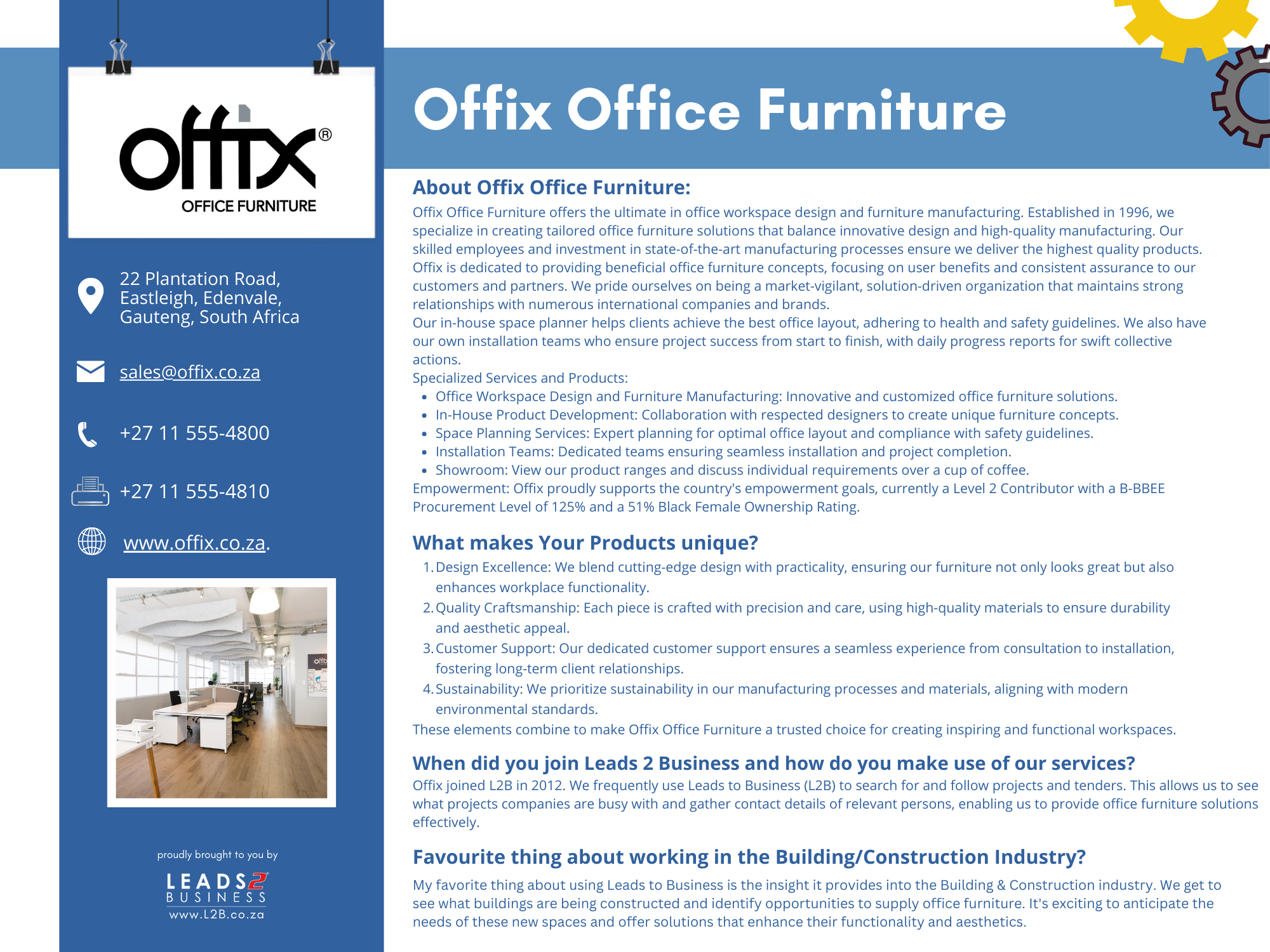
Featured Company : Offix Office Furniture

Read about who’s who in the Industry: Offix offers our clients the ultimate in office workspace design and furniture manufacturing. We specialise in the development of office furniture.

If you are interested in becoming one of our subscribers, please visit Leads 2 Business.
To view notes with screenshots on how to use our website, please visit Leads 2 Business Wiki.
To view more Featured Companies, please visit our Leads 2 Business Blog.

About Christine Brooks

My journey started in 2015 with Leads 2 Business, as an Account Executive, and gradually grown to take the role of being the Client Liaison Officer (CLO) since 2018. Assisting in the delivery of our services and insuring our clients expectations and requirements are exceeded.

Building for the Future: Trends in Residential Construction in South Africa

Residential construction is a cornerstone of economic development and social stability in South Africa. The housing sector not only addresses the immediate needs of shelter but also significantly influences urban planning, environmental sustainability, and community development. As the country continues to grow and evolve, so do the trends in residential construction. This blog explores the emerging trends in residential construction in South Africa, highlighting the innovative approaches, technologies, and strategies shaping the future of housing.

1. Green and Sustainable Building

Sustainability is no longer just a buzzword; it is a necessity. As environmental concerns become more pressing, the construction industry is increasingly focused on green building practices. Sustainable construction aims to reduce the environmental impact of buildings throughout their lifecycle.

Key aspects of sustainable building include:

  • Energy Efficiency: Implementing energy-efficient designs, using insulation, and installing solar panels to reduce energy consumption.
  • Water Conservation: Using water-saving fixtures, rainwater harvesting systems, and greywater recycling.
  • Eco-Friendly Materials: Utilizing recycled and locally-sourced materials to minimize environmental impact.
  • Green Certifications: Achieving certifications like Green Star South Africa and EDGE (Excellence in Design for Greater Efficiencies) to demonstrate a commitment to sustainability.

2. Smart Homes

Smart home technology is revolutionizing the residential construction industry. Homes equipped with smart technologies provide enhanced convenience, security, and energy efficiency. These technologies can be integrated during the construction phase to ensure seamless operation.

Popular smart home features include:

  • Home Automation: Systems that control lighting, heating, cooling, and appliances through a centralized network.
  • Security Systems: Advanced security features like smart locks, surveillance cameras, and alarm systems.
  • Energy Management: Smart meters and energy management systems that optimize energy use and reduce costs.
  • Voice-Controlled Assistants: Devices like Amazon Alexa and Google Home that control various aspects of the home environment.

3. Modular and Prefabricated Construction

Modular and prefabricated construction methods are gaining traction in South Africa due to their efficiency and cost-effectiveness. These methods involve manufacturing building components off-site and assembling them on-site, reducing construction time and waste.

Benefits of modular and prefabricated construction:

  • Speed: Faster construction times compared to traditional methods.
  • Cost Efficiency: Reduced labor costs and material waste.
  • Quality Control: Enhanced quality control due to factory-based manufacturing processes.
  • Flexibility: The ability to customize and expand structures as needed.

4. Urban Infill and High-Density Housing

As urban areas in South Africa continue to grow, there is a shift towards urban infill and high-density housing. This trend addresses the need for efficient land use and reduces urban sprawl, providing housing solutions within existing urban frameworks.

Advantages of urban infill and high-density housing:

  • Efficient Land Use: Maximizing the use of available land in urban areas.
  • Reduced Commuting: Proximity to workplaces, amenities, and public transportation.
  • Community Development: Creating vibrant, walkable communities with diverse housing options.
  • Environmental Benefits: Lower carbon footprint due to reduced reliance on cars and better use of infrastructure.

5. Energy-Efficient Design

Energy-efficient design is a critical trend in residential construction. With rising energy costs and increasing awareness of environmental impact, homeowners and builders are focusing on designs that minimize energy consumption.

Elements of energy-efficient design:

  • Passive Solar Design: Orienting buildings to maximize natural light and heat from the sun.
  • Insulation: High-quality insulation to reduce heating and cooling needs.
  • Energy-Efficient Windows: Double-glazed windows that reduce heat loss and improve thermal comfort.
  • Renewable Energy Systems: Incorporating solar panels, wind turbines, and other renewable energy sources.

6. Adaptive Reuse and Renovation

Adaptive reuse and renovation involve repurposing existing buildings for new uses. This trend is particularly relevant in urban areas with a high density of older buildings that can be transformed into modern residential spaces.

Benefits of adaptive reuse and renovation:

  • Sustainability: Reducing the need for new construction and minimizing waste.
  • Preservation of Heritage: Maintaining and repurposing historic buildings.
  • Cost Savings: Often cheaper than new construction.
  • Community Revitalization: Revitalizing urban areas and creating vibrant, mixed-use neighborhoods.

7. Co-Living Spaces

Co-living spaces are becoming increasingly popular, especially among young professionals and students. These spaces offer a more affordable and community-oriented living arrangement compared to traditional housing.

Features of co-living spaces:

  • Shared Amenities: Common areas such as kitchens, living rooms, and workspaces.
  • Affordability: Lower cost of living due to shared expenses.
  • Community: Fostering a sense of community and social interaction.
  • Flexibility: Short-term leases and flexible living arrangements.

8. Resilient Design

Resilient design focuses on creating buildings that can withstand natural disasters and climate change impacts. This trend is particularly important in South Africa, where extreme weather events are becoming more common.

Components of resilient design:

  • Durable Materials: Using materials that can withstand harsh weather conditions.
  • Flood Mitigation: Designing buildings to resist flooding and water damage.
  • Wind Resistance: Ensuring structures can withstand high winds.
  • Climate Adaptation: Incorporating features that address local climate conditions.

9. Biophilic Design

Biophilic design integrates natural elements into the built environment, enhancing the connection between residents and nature. This approach can improve mental health, well-being, and overall quality of life.

Principles of biophilic design:

  • Natural Light: Maximizing natural light through large windows and skylights.
  • Green Spaces: Incorporating indoor plants, green walls, and outdoor gardens.
  • Natural Materials: Using wood, stone, and other natural materials in construction and decor.
  • Views of Nature: Designing spaces with views of natural landscapes.

10. Technological Integration in Construction Processes

The integration of technology into construction processes is revolutionizing how homes are built in South Africa. From project management to on-site construction, technology is enhancing efficiency and accuracy.

Technological tools in construction:

  • Building Information Modeling (BIM): A digital representation of the physical and functional characteristics of a building.
  • Drones: Used for site surveys, inspections, and progress monitoring.
  • 3D Printing: Creating building components and entire structures layer by layer.
  • Robotics: Automating repetitive tasks and improving construction speed and precision.

11. Sustainable Communities

Beyond individual homes, there is a growing focus on building sustainable communities. These communities integrate housing with amenities, green spaces, and transportation options to create a holistic living environment.

Features of sustainable communities:

  • Mixed-Use Developments: Combining residential, commercial, and recreational spaces.
  • Public Transportation: Accessible and efficient public transport options.
  • Green Spaces: Parks, gardens, and natural areas for recreation and relaxation.
  • Community Engagement: Involving residents in planning and development processes.

12. Affordable Housing Solutions

Addressing the housing crisis in South Africa requires innovative and affordable housing solutions. The construction industry is exploring various approaches to provide quality housing at lower costs.

Approaches to affordable housing:

  • Modular Construction: Cost-effective and quick construction methods.
  • Public-Private Partnerships (PPPs): Collaborations between government and private sector to fund and develop housing projects.
  • Micro-Housing: Small, efficient living spaces that are affordable and sustainable.
  • Subsidized Housing: Government programs to provide financial assistance for low-income households.

13. Health and Wellness-Oriented Design

The COVID-19 pandemic has highlighted the importance of health and wellness in residential design. Homes are being designed to promote physical and mental well-being.

Health and wellness-oriented features:

  • Air Quality: Enhanced ventilation systems and air purifiers.
  • Sanitation: Touchless fixtures and antimicrobial surfaces.
  • Home Offices: Dedicated workspaces for remote working.
  • Fitness Facilities: On-site gyms and outdoor exercise areas.

14. Age-Friendly Housing

As South Africa’s population ages, there is an increasing demand for age-friendly housing. These homes are designed to accommodate the needs of older adults, promoting independence and quality of life.

Features of age-friendly housing:

  • Accessibility: Step-free entrances, wide doorways, and wheelchair-accessible spaces.
  • Safety: Non-slip flooring, grab bars, and emergency response systems.
  • Convenience: Single-story layouts and proximity to healthcare facilities.
  • Community Support: Services and amenities tailored to older residents.

15. Customization and Personalization

Homebuyers today are seeking more customization and personalization in their homes. Builders are offering a range of options to cater to individual preferences and lifestyles.

Customization options include:

  • Layout Choices: Flexible floor plans that can be adjusted to meet specific needs.
  • Interior Design: Custom finishes, fixtures, and decor options.
  • Smart Home Features: Tailored technology solutions for enhanced living.
  • Outdoor Spaces: Personalized gardens, patios, and balconies.

Conclusion

The future of residential construction in South Africa is being shaped by a multitude of trends aimed at creating sustainable, efficient, and comfortable living environments. From green building practices and smart home technologies to modular construction and resilient design, these trends are addressing the diverse needs of South African homeowners. By embracing these innovative approaches, the construction industry can contribute to a more sustainable and prosperous future for all.

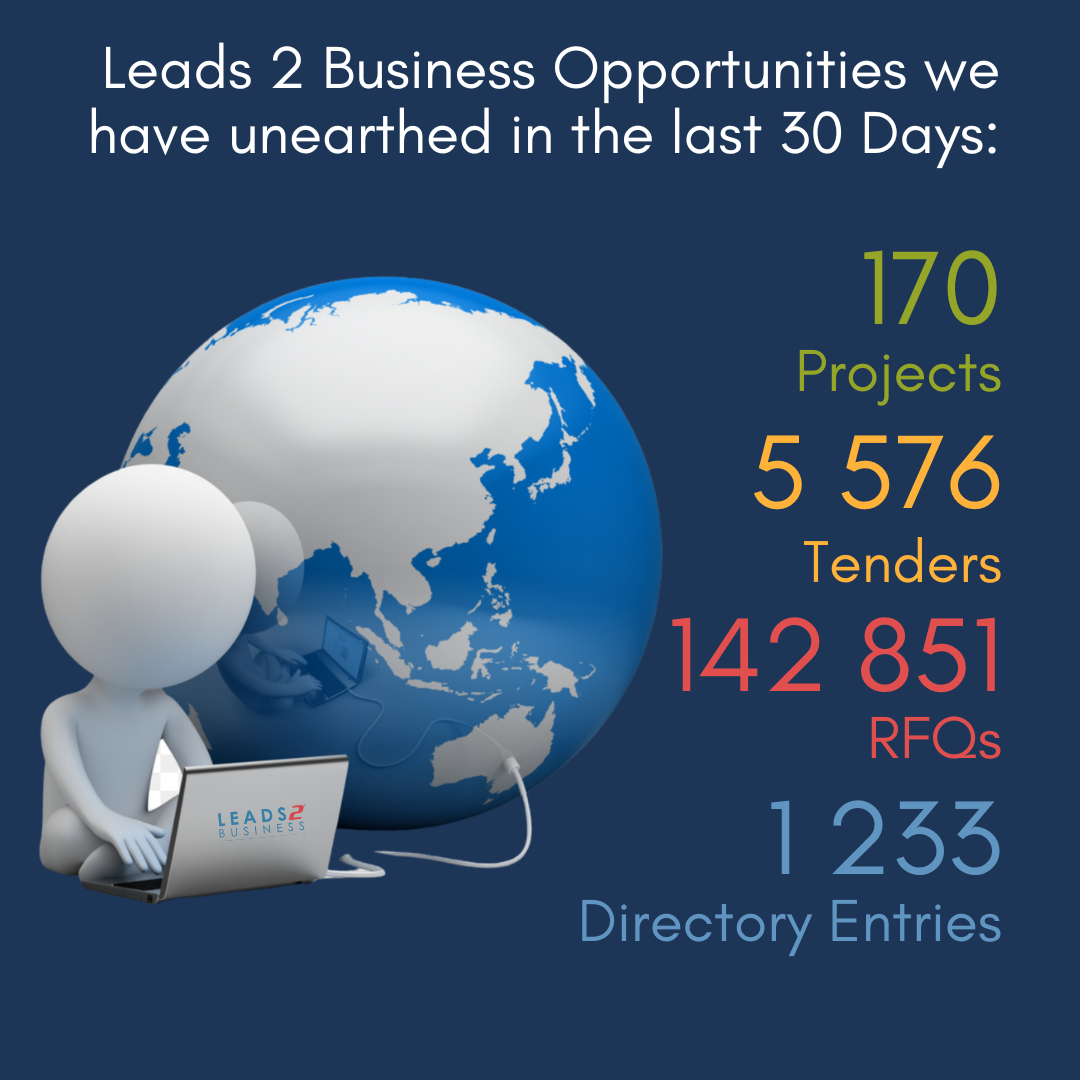
L2B Opportunities unearthed in the last 30 Days – JULY 2024

posted in: General 0

We put new business prospect leads within your reach.

Opportunities are researched throughout South Africa and Africa.

Find construction Tenders and Projects within the building, infrastructure, mining, and industrial sectors and more.

Our comprehensive, online, resource platform delivers daily leads to help you make informed business decisions.

Leads 2 Business Opportunities we have unearthed in the last 30 Days: for more information check out our Pricing Page.

To view more Articles, please visit our Leads 2 Business Blog.
If you are interested in becoming one of our subscribers, please visit Leads 2 Business.
To view notes with screenshots on how to use our website, please visit Leads 2 Business Wiki.

About Marlaine Andersen

Leads 2 Business Advertising Co-ordinator and Digital Designer

1 3 4 5 6 7 8 9 13