Featured Project: Rossing Uranium Mine Upgrade, Namibia

Namibia – PPA 33754


Description
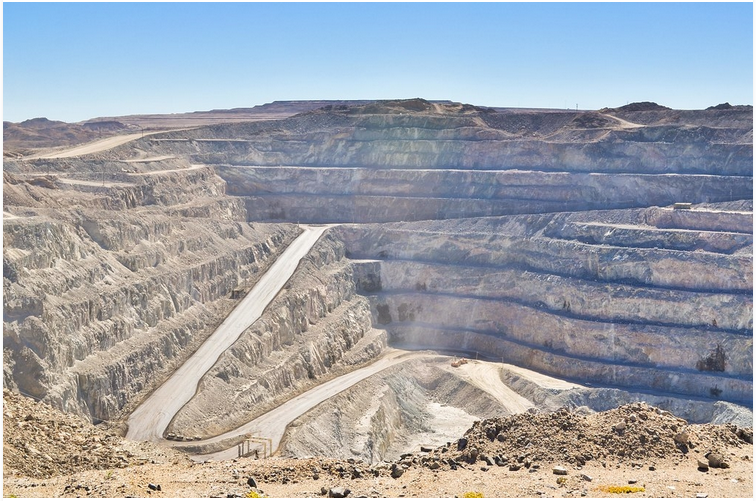
Rössing Uranium Ltd is focused on extending the life of the Rossing Uranium Mine in Namibia beyond 2036. The project requires deeper mining of the same SJ ore-body through a north-eastern extension of the current pit (Phase 4 pushback) to supply the existing process plant with sufficient ore until the end of 2036. The Rössing infrastructure and processing plant are also being upgraded, including the construction of a 15 MWe photovoltaic solar power plant, as well as expansion of the tailings storage facility.
Status Region
Underway Namibia
Category Value
Infrastructure R200 million+
Industry Timing
Mining 13 years (2024 – 2036)
Sector Class
Private Invited


If you are a valued Projects subscriber, you can find more details about this Featured Project here.
If you are interested in becoming one of our subscribers, please visit our website.
To view notes with screenshots on how to use our website, please visit our Wiki site.
To view more articles, please visit our blog.

About Melanie Miles

One girl who would rather wear boots than high heels...

Renovation Projects: Challenges and Best Practices in South Africa

Renovation projects are an integral part of the construction industry, offering opportunities to update, improve, and adapt existing buildings to meet new needs and standards. In South Africa, renovation projects are prevalent across residential, commercial, and industrial sectors. However, these projects come with their own set of challenges, from logistical issues to regulatory compliance. This blog explores the key challenges faced during renovation projects in South Africa and provides best practices to ensure successful outcomes.

The Importance of Renovation Projects

  1. Extending the Lifespan of Buildings Renovation projects help extend the lifespan of buildings by addressing wear and tear, outdated systems, and structural issues.
  2. Improving Functionality and Aesthetics Updating the functionality and aesthetics of a building can enhance its usability and appeal, making it more suitable for current needs.
  3. Increasing Property Value Renovations can significantly increase the value of a property, making it a worthwhile investment for homeowners and businesses.
  4. Sustainability Renovating existing structures is often more sustainable than demolishing and rebuilding, as it reduces waste and preserves resources.

Key Challenges in Renovation Projects

  1. Assessing the Existing Structure One of the primary challenges in renovation projects is assessing the existing structure to determine its condition and the scope of work required. This includes identifying any hidden issues such as structural damage, outdated wiring, or plumbing problems.
  2. Budget Constraints Renovation projects can be costly, and managing the budget is a significant challenge. Unexpected expenses often arise, necessitating a flexible and well-planned budget.
  3. Logistical Issues Renovation projects often involve working around existing structures, which can create logistical challenges. This includes coordinating with tenants or owners, managing limited space, and ensuring minimal disruption to ongoing operations.
  4. Regulatory Compliance Ensuring compliance with local building codes and regulations is crucial in renovation projects. This includes obtaining necessary permits, adhering to safety standards, and meeting zoning requirements.
  5. Finding Skilled Labor The quality of a renovation project depends heavily on the skills of the labor involved. Finding experienced and skilled workers who can handle the complexities of renovation can be challenging.
  6. Project Management Effective project management is essential to keep renovation projects on track. This involves coordinating various contractors, managing timelines, and ensuring quality control.

Best Practices for Successful Renovation Projects

  1. Thorough Planning and Assessment Conducting a thorough assessment of the existing structure is the first step in any renovation project. This includes:
    • Structural Assessment: Evaluating the integrity of the building’s foundation, walls, and roof.
    • Systems Check: Inspecting electrical, plumbing, and HVAC systems for any required upgrades or repairs.
    • Space Analysis: Understanding the current layout and identifying areas for improvement or reconfiguration.
  2. Realistic Budgeting Setting a realistic budget is crucial for managing costs effectively. Best practices for budgeting include:
    • Detailed Estimates: Obtaining detailed cost estimates for materials, labor, and permits.
    • Contingency Fund: Setting aside a contingency fund (typically 10-20% of the total budget) for unexpected expenses.
    • Regular Monitoring: Tracking expenses throughout the project to avoid overspending.
  3. Clear Communication Maintaining clear and open communication with all stakeholders is essential. This includes:
    • Regular Updates: Providing regular updates to clients, contractors, and workers about project progress.
    • Transparent Processes: Being transparent about any changes or issues that arise during the project.
    • Feedback Mechanisms: Encouraging feedback from stakeholders to address concerns promptly.
  4. Choosing the Right Contractors Hiring experienced and reputable contractors can make a significant difference in the quality of the renovation. Consider the following when selecting contractors:
    • Credentials and Experience: Checking the credentials, experience, and previous work of potential contractors.
    • References and Reviews: Seeking references and reading reviews from past clients.
    • Clear Contracts: Ensuring that contracts clearly outline the scope of work, timelines, and payment terms.
  5. Effective Project Management Implementing effective project management practices helps keep the project on schedule and within budget. This includes:
    • Timeline Planning: Creating a detailed project timeline with milestones and deadlines.
    • Resource Allocation: Ensuring that all necessary resources, including labor and materials, are available when needed.
    • Quality Control: Regularly inspecting work to ensure it meets quality standards.
  6. Sustainability Considerations Incorporating sustainable practices into renovation projects can improve efficiency and reduce environmental impact. Best practices include:
    • Energy-efficient Systems: Installing energy-efficient lighting, HVAC systems, and appliances.
    • Sustainable Materials: Using recycled, locally sourced, and sustainable materials.
    • Waste Management: Implementing recycling and waste reduction programs during construction.

Case Studies of Successful Renovation Projects

1. Zeitz MOCAA, Cape Town

Overview: The Zeitz Museum of Contemporary Art Africa (MOCAA) is a prime example of a successful renovation project. The museum is housed in a converted grain silo complex at the V&A Waterfront in Cape Town.

Challenges:

  • Structural Integrity: Ensuring the old silo structure could support the new museum.
  • Design Integration: Combining contemporary design elements with the historical structure.

Best Practices Implemented:

  • Thorough Assessment: Detailed structural analysis was conducted to ensure the building’s stability.
  • Experienced Contractors: Skilled contractors with experience in historical renovations were hired.
  • Sustainability: Sustainable practices, such as energy-efficient lighting and climate control, were incorporated.

2. The Silo Hotel, Cape Town

Overview: The Silo Hotel, also located at the V&A Waterfront, is another successful renovation of the old grain silo complex. The luxury hotel offers unique rooms with stunning views of the harbor.

Challenges:

  • Design Constraints: Working within the constraints of the existing structure.
  • Luxury Standards: Meeting high standards of luxury and comfort.

Best Practices Implemented:

  • Detailed Planning: Extensive planning to integrate luxury amenities while preserving the building’s character.
  • Skilled Labor: Hiring skilled craftsmen to ensure high-quality finishes.
  • Modern Systems: Installing modern electrical, plumbing, and HVAC systems to meet luxury standards.

3. The Onyx, Cape Town

Overview: The Onyx is a high-end residential and hotel development in Cape Town, transformed from an old office building.

Challenges:

  • Space Reconfiguration: Reconfiguring the existing office layout to accommodate residential and hotel units.
  • Modernization: Updating outdated systems and interiors.

Best Practices Implemented:

  • Space Planning: Effective space planning to optimize the layout for residential and hotel use.
  • Technology Integration: Incorporating modern technology and smart systems.
  • Aesthetic Upgrades: Enhancing the building’s aesthetics with contemporary design elements.

Future Trends in Renovation Projects

  1. Smart Technology Integration The integration of smart technology in renovation projects is on the rise. This includes smart lighting, climate control, security systems, and home automation, which enhance functionality and convenience.
  2. Sustainability Focus There is an increasing focus on sustainability in renovation projects. This involves using eco-friendly materials, energy-efficient systems, and sustainable construction practices to minimize environmental impact.
  3. Flexible Spaces Designing flexible and adaptable spaces that can be easily reconfigured to meet changing needs is becoming more important. This trend is particularly relevant in commercial and office renovations.
  4. Health and Wellness Incorporating elements that promote health and wellness, such as improved air quality, natural lighting, and ergonomic designs, is gaining popularity in renovation projects.
  5. Historical Preservation Preserving historical and architectural heritage while modernizing buildings for contemporary use is a growing trend. This involves careful planning and skilled craftsmanship to balance old and new elements.

Conclusion

Renovation projects in South Africa come with a unique set of challenges, from assessing existing structures to managing budgets and ensuring regulatory compliance. However, by implementing best practices such as thorough planning, realistic budgeting, clear communication, and effective project management, these challenges can be successfully navigated. The case studies of Zeitz MOCAA, The Silo Hotel, and The Onyx demonstrate the potential for successful renovations that blend functionality, aesthetics, and sustainability. As the industry evolves, trends such as smart technology integration, sustainability, flexible spaces, health and wellness, and historical preservation will shape the future of renovation projects. By staying informed and adopting these best practices and trends, construction professionals can ensure successful and impactful renovation projects that meet the needs of South Africa’s diverse market.

Featured Company : RSC Group

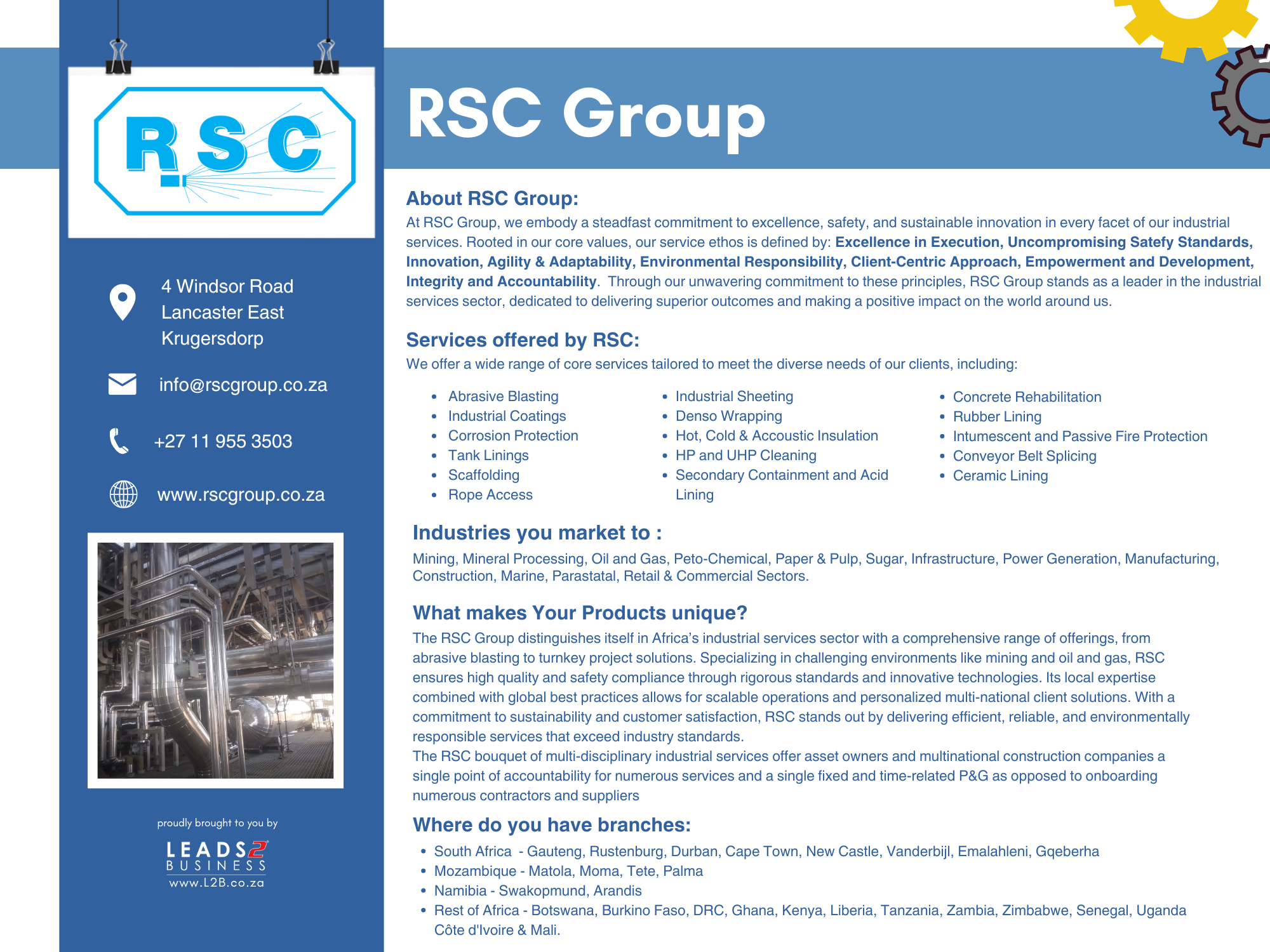
Read about who’s who in the Industry:  The RSC group was founded in 1987 by Louis Glen Sacks. Originally offering abrasive blasting and protective coatings through the jobbing facility in Krugersdorp. RSC has evolved organically into an industrial services provider, delivering full turnkey industrial solutions on projects across the African continent.

If you are interested in becoming one of our subscribers, please visit Leads 2 Business.
To view notes with screenshots on how to use our website, please visit Leads 2 Business Wiki.
To view more Featured Companies, please visit our Leads 2 Business Blog.

About Candice Erasmus

I have been working at Leads 2 Business for 10 years of which 8 have been as the Sales Manager. I enjoy every aspect of my job and strive to hold the L2B flag high in all I do.

The Role of Customization in Office Construction in South Africa

The concept of office space has evolved significantly over the years. Traditional office designs, which emphasized uniformity and functionality, are gradually being replaced by more dynamic and customizable environments. In South Africa, where businesses are diverse and growing, the role of customization in office construction is becoming increasingly crucial. Customizing office spaces to meet the specific needs of companies can enhance productivity, employee satisfaction, and brand identity. This blog explores the importance of customization in office construction, key considerations, and successful examples tailored to the South African market.

Understanding Customization in Office Construction

Customization in office construction involves designing and building spaces that cater to the unique requirements of a business. This approach moves away from the one-size-fits-all model, offering tailored solutions that reflect the company’s culture, operational needs, and aesthetic preferences. Customization can encompass various elements, including layout, furniture, technology, and decor.

The Importance of Customization

  1. Enhanced Productivity Customized office spaces can significantly enhance productivity. By creating environments that support specific workflows and tasks, employees can work more efficiently. For example, an open-plan layout may foster collaboration for creative teams, while private offices can provide quiet spaces for focused work.
  2. Employee Satisfaction and Well-being Customizing office spaces to meet the needs and preferences of employees can lead to higher satisfaction and well-being. Comfortable and personalized work environments contribute to lower stress levels, increased motivation, and reduced turnover rates.
  3. Brand Identity and Culture An office space that reflects a company’s brand and culture can strengthen its identity and make a positive impression on clients and visitors. Customization allows businesses to incorporate their brand colors, logos, and values into the design, creating a cohesive and recognizable environment.
  4. Flexibility and Adaptability Customizable office spaces are more flexible and adaptable to changing business needs. As companies grow or shift their focus, customized designs can be easily modified to accommodate new requirements, ensuring the space remains functional and relevant.

Key Considerations for Customizing Office Spaces

  1. Understanding Business Needs The first step in customizing an office space is to understand the specific needs and goals of the business. This involves consulting with stakeholders, conducting surveys, and analyzing workflows to identify key requirements.

    Steps to Understand Business Needs:

    • Conduct interviews and surveys with employees and management.
    • Analyze the nature of work and daily tasks performed.
    • Identify areas for improvement and specific pain points.
    • Set clear goals and objectives for the new office design.
  2. Space Planning and Layout Effective space planning is crucial for creating functional and efficient office environments. The layout should promote productivity, communication, and collaboration while providing adequate space for movement and flexibility.

    Key Aspects of Space Planning:

    • Zoning: Divide the office into different zones for various activities, such as workstations, meeting rooms, break areas, and quiet zones.
    • Flow: Ensure a logical flow of movement within the office, minimizing congestion and maximizing accessibility.
    • Flexibility: Design spaces that can be easily reconfigured to accommodate changing needs and future growth.
  3. Ergonomics and Comfort Ergonomic design is essential for creating comfortable and healthy work environments. Customized office furniture and equipment should support the physical well-being of employees, reducing the risk of strain and injury.

    Ergonomic Considerations:

    • Adjustable Furniture: Provide desks, chairs, and workstations that can be adjusted to suit individual preferences and needs.
    • Lighting: Ensure adequate natural and artificial lighting to reduce eye strain and create a pleasant atmosphere.
    • Acoustics: Manage noise levels to minimize distractions and enhance concentration.
  4. Technology Integration Integrating technology into the office design is crucial for supporting modern work practices. Customized technology solutions can improve efficiency, communication, and collaboration.

    Technology Considerations:

    • IT Infrastructure: Ensure robust and reliable internet and network connectivity.
    • Smart Systems: Implement smart lighting, climate control, and security systems.
    • Audio-Visual Equipment: Equip meeting rooms with state-of-the-art audio-visual technology for presentations and video conferencing.
  5. Aesthetic Elements Aesthetics play a significant role in creating a positive and inviting office environment. Customizing the design to reflect the company’s brand and culture can enhance the overall experience for employees and visitors.

    Aesthetic Considerations:

    • Color Schemes: Choose colors that align with the brand identity and create the desired atmosphere.
    • Materials and Textures: Use a variety of materials and textures to add visual interest and reflect the company’s image.
    • Artwork and Decor: Incorporate artwork, plants, and decorative elements to enhance the visual appeal and create a welcoming environment.
  6. Sustainability and Energy Efficiency Sustainable design practices are increasingly important in office construction. Incorporating eco-friendly materials and energy-efficient systems can reduce environmental impact and operational costs.

    Sustainability Considerations:

    • Energy-efficient Lighting and HVAC: Use systems that reduce energy consumption and operating costs.
    • Eco-friendly Materials: Select materials that are durable, recyclable, and have a low environmental impact.
    • Waste Reduction: Implement waste management and recycling programs.

Case Studies of Successful Customization

1. Discovery Headquarters, Sandton

Overview: Discovery’s headquarters in Sandton is a prime example of customized office design that reflects the company’s brand and values. The building is designed to promote health and wellness, aligning with Discovery’s focus on health insurance and wellness programs.

Key Features:

  • Health-focused Design: Incorporates features such as a gym, running track, and healthy eating options.
  • Brand Integration: Reflects the Discovery brand through colors, logos, and design elements.
  • Sustainable Practices: Achieved a 5-star Green Star rating for its sustainable design and energy-efficient systems.

2. Google South Africa, Johannesburg

Overview: Google’s Johannesburg office is designed to foster creativity, collaboration, and innovation. The customized design caters to the needs of its diverse workforce and reflects Google’s unique culture.

Key Features:

  • Open Plan Layout: Promotes collaboration and communication among employees.
  • Themed Rooms: Includes themed meeting rooms and breakout areas that reflect local culture and Google’s playful brand.
  • Advanced Technology: Equipped with state-of-the-art technology to support innovative work practices.

3. Red Bull South Africa, Cape Town

Overview: Red Bull’s Cape Town office is a vibrant and dynamic space that embodies the brand’s energetic and adventurous spirit. The design is customized to support the company’s marketing and event-focused operations.

Key Features:

  • Creative Spaces: Includes open areas for brainstorming and collaborative work.
  • Brand Identity: Reflects Red Bull’s brand through bold colors, logos, and unique design elements.
  • Event Spaces: Features dedicated areas for hosting events and product launches.

Challenges in Customizing Office Spaces

  1. Budget Constraints Customizing an office space can be more expensive than opting for a standard design. Balancing cost with the need for customization requires careful planning and resource allocation.
  2. Time Constraints Customization can extend the timeline for office construction or renovation. Managing project timelines effectively is essential to minimize disruptions and ensure timely completion.
  3. Regulatory Compliance Ensuring compliance with building codes, health and safety regulations, and accessibility standards is crucial. Non-compliance can lead to legal issues, fines, and project delays.
  4. Changing Needs Business needs can change over time, and customized designs must be flexible enough to accommodate these changes. Planning for future adaptability is essential.

Best Practices for Customizing Office Spaces

  1. Client Collaboration Collaborate closely with clients to understand their needs, preferences, and business objectives. Regular communication ensures that the design aligns with their vision and expectations.
  2. Integrated Design Approach Adopt an integrated design approach that considers functionality, aesthetics, sustainability, and technology. This holistic perspective ensures a cohesive and efficient design.
  3. Sustainable Practices Incorporate sustainable practices from the outset, including energy-efficient systems, eco-friendly materials, and waste reduction strategies. This not only benefits the environment but also reduces operational costs.
  4. Flexibility and Adaptability Design spaces that are flexible and adaptable to future changes and growth. This includes modular furniture, movable partitions, and multipurpose areas.
  5. Attention to Detail Pay attention to details such as lighting, acoustics, and finishes. These elements contribute to the overall quality and comfort of the space.
  6. Technology Integration Ensure seamless technology integration to support business operations and enhance user experience. This includes robust IT infrastructure, smart systems, and audio-visual equipment.

Future Trends in Customized Office Construction

  1. Remote and Hybrid Work Models The rise of remote and hybrid work models is influencing office design. Customization now includes creating spaces that support both in-office and remote work, such as collaboration hubs and quiet workstations.
  2. Biophilic Design Integrating natural elements into office design, known as biophilic design, is becoming more popular. This includes using plants, natural materials, and maximizing natural light to create healthier and more inspiring work environments.
  3. Wellness-focused Design Designing spaces that promote health and well-being is increasingly important. This includes ergonomic furniture, access to natural light, and amenities such as fitness centers and relaxation areas.
  4. Smart Office Technology The integration of smart office technology, including IoT devices, smart lighting, and automated climate control, is enhancing efficiency and user experience.
  5. Sustainable Design Sustainability remains a top priority, with a focus on energy efficiency, eco-friendly materials, and waste reduction. Green building certifications, such as LEED and Green Star, are becoming more sought after.

Conclusion

Customization plays a vital role in modern office construction, offering numerous benefits such as enhanced productivity, employee satisfaction, brand identity, and flexibility. By understanding business needs, planning effective layouts, ensuring ergonomic comfort, integrating technology, and focusing on aesthetics and sustainability, companies can create customized office spaces that meet their unique requirements. Successful examples like Discovery Headquarters, Google South Africa, and Red Bull South Africa demonstrate the potential of customization in creating dynamic and efficient work environments. As the business landscape evolves, staying adaptable and innovative will be key to designing offices that support the needs of the future.

Building Resilient Industrial Structures in South Africa

Industrial structures play a critical role in supporting South Africa’s economic activities, from manufacturing and logistics to energy production and mining. These structures must be resilient to withstand a variety of challenges, including natural disasters, operational stresses, and evolving regulatory requirements. Building resilient industrial structures ensures operational continuity, safety, and long-term viability. This blog explores the key considerations, strategies, and trends in designing and constructing resilient industrial structures tailored to the South African market.

The Importance of Resilient Industrial Structures

  1. Operational Continuity Resilient structures ensure that industrial operations can continue with minimal disruption even in the face of adverse conditions. This is crucial for maintaining productivity and profitability.
  2. Safety and Compliance Ensuring the safety of workers and compliance with regulatory standards is paramount. Resilient structures are designed to minimize risks and protect human lives during emergencies.
  3. Economic Viability Investing in resilience reduces long-term maintenance and repair costs, enhancing the economic viability of industrial facilities. It also helps avoid costly downtime and operational losses.
  4. Environmental Sustainability Resilient industrial structures often incorporate sustainable practices, reducing their environmental impact and contributing to overall sustainability goals.

Key Considerations in Building Resilient Industrial Structures

  1. Site Selection and Assessment The location of an industrial structure is a critical factor in its resilience. Site selection involves evaluating environmental risks, accessibility, and proximity to essential infrastructure.

    Factors to Consider:

    • Environmental Hazards: Assessing the risk of natural disasters such as floods, earthquakes, and severe weather.
    • Soil and Geotechnical Conditions: Ensuring the ground can support the structure and identifying potential issues such as soil erosion or subsidence.
    • Proximity to Infrastructure: Access to transportation networks, utilities, and emergency services.
  2. Design and Engineering Resilient industrial structures require robust design and engineering practices that prioritize strength, flexibility, and redundancy.

    Design Principles:

    • Structural Integrity: Using materials and design techniques that enhance the strength and durability of the structure.
    • Flexibility: Designing structures that can absorb and adapt to dynamic forces, such as seismic activity or heavy machinery operations.
    • Redundancy: Incorporating multiple systems to ensure that if one system fails, others can take over, maintaining functionality.
  3. Material Selection The choice of materials plays a significant role in the resilience of industrial structures. Materials should be chosen for their strength, durability, and suitability to the local environment.

    Considerations for Material Selection:

    • Durability: Materials that can withstand harsh conditions and long-term wear and tear.
    • Local Availability: Using locally sourced materials to reduce costs and support local economies.
    • Sustainability: Selecting materials with a lower environmental impact, such as recycled or recyclable materials.
  4. Construction Techniques Employing advanced construction techniques can enhance the resilience of industrial structures. This includes both traditional methods and innovative approaches.

    Techniques to Consider:

    • Prefabrication: Using prefabricated components to ensure quality control and reduce construction time.
    • Reinforced Construction: Incorporating reinforcement techniques such as steel rebar in concrete structures.
    • Seismic Design: Implementing design features that enhance the structure’s ability to withstand seismic activity.
  5. Safety and Risk Management Ensuring the safety of workers and the structure itself requires comprehensive risk management strategies. This involves planning for potential hazards and implementing preventive measures.

    Safety Measures:

    • Emergency Preparedness: Developing emergency response plans and conducting regular drills.
    • Fire Protection Systems: Installing fire detection and suppression systems.
    • Health and Safety Protocols: Adhering to occupational health and safety standards to protect workers.
  6. Sustainability and Environmental Considerations Integrating sustainability into the design and construction of industrial structures enhances their resilience and reduces environmental impact.

    Sustainability Practices:

    • Energy Efficiency: Using energy-efficient systems and renewable energy sources.
    • Water Management: Implementing systems for efficient water use and waste management.
    • Green Building Certifications: Achieving certifications such as LEED or Green Star to demonstrate commitment to sustainability.

Case Studies of Resilient Industrial Structures

1. The Coega Industrial Development Zone (IDZ)

Overview: The Coega IDZ in the Eastern Cape is a prominent example of a resilient industrial development. It supports various industries, including manufacturing, logistics, and energy production.

Key Features:

  • Strategic Location: Situated near the Port of Ngqura, providing excellent access to international shipping routes.
  • Robust Infrastructure: Includes advanced logistics, utilities, and telecommunications infrastructure.
  • Environmental Management: Implements comprehensive environmental management practices to minimize impact.

2. Sasol Secunda Complex

Overview: The Sasol Secunda complex is one of the largest coal-to-liquids facilities in the world, located in Mpumalanga. It demonstrates resilience through advanced engineering and sustainable practices.

Key Features:

  • Advanced Engineering: Incorporates robust design and construction techniques to withstand operational stresses.
  • Sustainability Initiatives: Focuses on reducing emissions, improving energy efficiency, and water conservation.
  • Safety and Risk Management: Employs stringent safety protocols and risk management strategies.

3. Saldanha Steel Plant

Overview: The Saldanha Steel Plant in the Western Cape is designed to be resilient and sustainable, supporting South Africa’s steel production needs.

Key Features:

  • High-Strength Materials: Uses advanced materials and construction techniques to enhance durability.
  • Energy Efficiency: Implements energy-efficient technologies and renewable energy sources.
  • Environmental Stewardship: Focuses on reducing environmental impact through sustainable practices.

Future Trends in Industrial Construction

  1. Smart Industrial Facilities The integration of smart technologies, such as IoT devices and automated systems, is transforming industrial facilities. These technologies enhance monitoring, control, and efficiency, contributing to resilience.
  2. Modular Construction Modular construction techniques, involving prefabricated components, are becoming more popular. They offer flexibility, reduced construction time, and improved quality control.
  3. Sustainable Construction Practices There is a growing emphasis on sustainability in industrial construction. This includes using eco-friendly materials, energy-efficient systems, and waste reduction practices.
  4. Resilience to Climate Change As climate change impacts become more pronounced, designing structures that can withstand extreme weather conditions and other environmental challenges is increasingly important.
  5. Advanced Materials The development and use of advanced materials, such as high-performance concrete and composite materials, enhance the strength and durability of industrial structures.

Challenges in Building Resilient Industrial Structures

  1. Cost Considerations Building resilient structures can be more expensive initially. Balancing cost with the need for resilience requires careful planning and investment.
  2. Regulatory Compliance Navigating complex regulatory requirements can be challenging. Ensuring compliance with all relevant standards is essential for project success.
  3. Technological Integration Integrating advanced technologies into industrial structures requires expertise and can involve significant upfront costs.
  4. Environmental Impact Minimizing the environmental impact of industrial construction is a challenge that requires innovative solutions and sustainable practices.

Best Practices for Building Resilient Industrial Structures

  1. Comprehensive Planning Engage in thorough planning and site assessment to identify and mitigate potential risks from the outset.
  2. Robust Design and Engineering Use advanced design and engineering practices to ensure structural integrity, flexibility, and redundancy.
  3. Quality Material Selection Choose high-quality, durable materials that are suited to the local environment and operational needs.
  4. Adopt Advanced Construction Techniques Employ modern construction techniques, such as prefabrication and reinforced construction, to enhance resilience.
  5. Implement Safety and Risk Management Develop comprehensive safety and risk management strategies to protect workers and the structure.
  6. Focus on Sustainability Integrate sustainable practices into the design and construction process to reduce environmental impact and enhance long-term viability.
  7. Leverage Technology Utilize smart technologies and advanced monitoring systems to improve efficiency, safety, and resilience.

Conclusion

Building resilient industrial structures in South Africa is essential for ensuring operational continuity, safety, and long-term economic viability. By considering factors such as site selection, design and engineering, material selection, and sustainability, construction firms can create structures that withstand various challenges. Successful examples like the Coega IDZ, Sasol Secunda complex, and Saldanha Steel Plant demonstrate the importance of resilience in industrial construction. As the industry evolves, embracing trends such as smart technologies, modular construction, and advanced materials will be crucial for building the resilient industrial structures of the future.

Designing Functional and Aesthetic Commercial Spaces in South Africa

Designing commercial spaces that are both functional and aesthetically pleasing is a crucial aspect of modern architecture and interior design. In South Africa, where the business landscape is diverse and dynamic, creating spaces that cater to various industries while maintaining visual appeal is essential. This blog delves into the key considerations, strategies, and trends in designing commercial spaces that balance functionality and aesthetics, tailored to the South African market.

The Importance of Functional and Aesthetic Design

  1. Enhanced Productivity A well-designed commercial space can significantly enhance employee productivity. Functional layouts, comfortable furniture, and adequate lighting create an environment where employees can work efficiently and effectively.
  2. Client Impression The design of a commercial space can leave a lasting impression on clients and customers. Aesthetically pleasing and thoughtfully designed spaces convey professionalism, success, and attention to detail.
  3. Brand Identity Commercial spaces are an extension of a company’s brand. Design elements such as color schemes, materials, and overall aesthetics can reflect and reinforce a brand’s identity, making it more recognizable and memorable.
  4. Employee Satisfaction and Well-being Comfortable and attractive work environments contribute to employee satisfaction and well-being. Happy employees are more likely to be engaged, motivated, and loyal to their employers.

Key Considerations in Designing Functional and Aesthetic Commercial Spaces

  1. Understanding the Client’s Needs The first step in designing a commercial space is understanding the client’s specific needs and objectives. This includes the type of business, the number of employees, and the nature of the work being done. For instance, an open-plan office may work well for a tech startup but not for a law firm that requires private meeting spaces.
  2. Space Planning and Layout Effective space planning ensures that the commercial space is utilized efficiently. This involves designing layouts that promote workflow, minimize congestion, and provide adequate space for movement. Key aspects of space planning include:
    • Zoning: Dividing the space into different zones for various functions, such as workstations, meeting rooms, break areas, and reception.
    • Flow: Ensuring a logical flow of movement within the space, making it easy for employees and clients to navigate.
    • Flexibility: Designing spaces that can be easily reconfigured to accommodate changing needs and future growth.
  3. Ergonomics and Comfort Ergonomics is a critical consideration in commercial space design. Furniture and equipment should be chosen to support the health and comfort of users, reducing the risk of strain and injury. Ergonomic considerations include:
    • Adjustable Furniture: Desks, chairs, and workstations that can be adjusted to suit individual needs.
    • Lighting: Adequate natural and artificial lighting to reduce eye strain and create a pleasant working environment.
    • Acoustics: Managing noise levels to minimize distractions and enhance concentration.
  4. Aesthetic Elements Aesthetics play a significant role in creating a positive and inviting commercial space. Key aesthetic elements include:
    • Color Schemes: Choosing colors that reflect the brand identity and create the desired atmosphere. For example, calming blues and greens for a spa, or vibrant reds and yellows for a creative agency.
    • Materials and Textures: Using a variety of materials and textures to add visual interest and reflect the company’s image.
    • Artwork and Decor: Incorporating artwork, plants, and decorative elements to enhance the visual appeal and create a welcoming environment.
  5. Sustainability and Energy Efficiency Sustainable design practices are increasingly important in commercial space design. Incorporating eco-friendly materials and energy-efficient systems can reduce environmental impact and operational costs. Sustainable design considerations include:
    • Energy-efficient lighting and HVAC systems: Reducing energy consumption and operating costs.
    • Eco-friendly materials: Using recycled, locally sourced, and sustainable materials.
    • Waste reduction: Implementing waste management and recycling programs.
  6. Technology Integration Modern commercial spaces require seamless technology integration to support various business operations. This includes:
    • Networking and Connectivity: Ensuring robust and reliable internet and network infrastructure.
    • Smart Systems: Implementing smart lighting, climate control, and security systems.
    • Audio-Visual Equipment: Equipping meeting rooms with state-of-the-art audio-visual technology for presentations and video conferencing.

Trends in Commercial Space Design

  1. Open Plan Layouts Open plan layouts continue to be popular, promoting collaboration and communication among employees. These spaces are versatile and can be easily reconfigured to suit different needs.
  2. Biophilic Design Incorporating natural elements into commercial spaces, known as biophilic design, is a growing trend. This includes using natural materials, plants, and maximizing natural light to create a connection with nature, which can improve employee well-being and productivity.
  3. Flexible Workspaces Flexibility is key in modern commercial spaces. This includes creating multipurpose areas that can serve different functions, such as meeting rooms that can be transformed into event spaces or break areas.
  4. Wellness-focused Design Designing spaces that promote health and well-being is increasingly important. This includes ergonomic furniture, access to natural light, and amenities such as fitness centers and relaxation areas.
  5. Sustainable Design Sustainability remains a top priority, with a focus on energy efficiency, eco-friendly materials, and waste reduction. Green building certifications, such as LEED and Green Star, are becoming more sought after.
  6. Technology Integration Smart office technology, including IoT devices, smart lighting, and automated climate control, is being integrated into commercial spaces to enhance efficiency and user experience.

Case Studies of Successful Commercial Space Design

1. The Green Building, Johannesburg

Overview: The Green Building in Johannesburg is a prime example of sustainable and functional commercial space design. It houses multiple businesses and incorporates eco-friendly features and innovative design elements.

Key Features:

  • Sustainability: The building is designed to maximize energy efficiency with features like solar panels, rainwater harvesting, and green roofs.
  • Open Plan Layouts: Promotes collaboration and flexibility, with spaces that can be easily adapted for different uses.
  • Biophilic Elements: Includes indoor plants, natural materials, and ample natural light, creating a healthy and inviting environment.

2. Menlyn Maine Central Square, Pretoria

Overview: Menlyn Maine Central Square is a mixed-use development in Pretoria that combines retail, office, and residential spaces. The design focuses on creating a vibrant, functional, and aesthetically pleasing environment.

Key Features:

  • Integrated Spaces: Seamlessly blends commercial, retail, and residential areas, creating a dynamic and accessible environment.
  • Sustainability: Incorporates green building practices, including energy-efficient systems and sustainable materials.
  • Aesthetic Appeal: Features modern architecture, attractive public spaces, and thoughtful landscaping.

3. V&A Waterfront, Cape Town

Overview: The V&A Waterfront is a bustling commercial hub in Cape Town, featuring a mix of retail, office, and leisure spaces. It is renowned for its historical significance and modern design.

Key Features:

  • Historical Integration: Preserves and integrates historical buildings with modern architecture, creating a unique and appealing environment.
  • Functional Layouts: Designed to facilitate easy navigation and accessibility for both businesses and visitors.
  • Technology Integration: Equipped with state-of-the-art technology to support business operations and enhance the visitor experience.

Challenges in Designing Commercial Spaces

  1. Balancing Functionality and Aesthetics Achieving a balance between functionality and aesthetics can be challenging. Designers must ensure that spaces are practical and efficient while also creating a visually appealing environment.
  2. Budget Constraints Budget limitations can restrict the choice of materials, technologies, and design elements. Effective budgeting and cost management are essential to deliver a high-quality design within financial constraints.
  3. Regulatory Compliance Ensuring compliance with building codes, health and safety regulations, and accessibility standards is crucial. Non-compliance can lead to legal issues, fines, and project delays.
  4. Client Expectations Meeting client expectations and requirements can be challenging, especially when they change during the project. Clear communication and flexibility are key to managing expectations and delivering satisfactory results.

Best Practices for Designing Functional and Aesthetic Commercial Spaces

  1. Client Collaboration Collaborate closely with clients to understand their needs, preferences, and business objectives. Regular communication ensures that the design aligns with their vision and expectations.
  2. Integrated Design Approach Adopt an integrated design approach that considers functionality, aesthetics, sustainability, and technology. This holistic perspective ensures a cohesive and efficient design.
  3. Sustainable Practices Incorporate sustainable practices from the outset, including energy-efficient systems, eco-friendly materials, and waste reduction strategies. This not only benefits the environment but also reduces operational costs.
  4. Flexibility and Adaptability Design spaces that are flexible and adaptable to future changes and growth. This includes modular furniture, movable partitions, and multipurpose areas.
  5. Attention to Detail Pay attention to details such as lighting, acoustics, and finishes. These elements contribute to the overall quality and comfort of the space.
  6. Technology Integration Ensure seamless technology integration to support business operations and enhance user experience. This includes robust IT infrastructure, smart systems, and audio-visual equipment.

Conclusion

Designing functional and aesthetic commercial spaces in South Africa involves a careful balance of various factors, including client needs, space planning, ergonomics, aesthetics, sustainability, and technology. By adopting best practices and staying informed about trends, designers can create spaces that enhance productivity, reflect brand identity, and provide a positive experience for employees and clients. Successful projects like The Green Building, Menlyn Maine Central Square, and the V&A Waterfront demonstrate the potential of thoughtful design in creating dynamic and efficient commercial environments. As the business landscape evolves, staying adaptable and innovative will be key to designing spaces that meet the demands of the future.

Key Considerations in Healthcare Facility Construction in South Africa

The construction of healthcare facilities is a complex and highly specialized field that requires careful planning, attention to detail, and adherence to stringent regulations. In South Africa, the demand for modern and efficient healthcare facilities is increasing, driven by population growth, urbanization, and the need for improved healthcare services. This blog explores the key considerations in healthcare facility construction in South Africa, offering insights into planning, design, regulatory compliance, and sustainability.

Understanding the Unique Requirements of Healthcare Facility Construction

Healthcare facilities, including hospitals, clinics, and specialized care centers, have unique requirements that set them apart from other types of construction projects. These requirements include:

  1. Patient Safety and Comfort The primary goal of healthcare facilities is to provide a safe and comfortable environment for patients. This involves designing spaces that reduce the risk of infection, facilitate efficient patient care, and promote healing and well-being.
  2. Regulatory Compliance Healthcare facilities must comply with a wide range of regulations and standards, including those related to building codes, health and safety, and environmental impact. In South Africa, these regulations are enforced by various government agencies and industry bodies.
  3. Specialized Infrastructure Healthcare facilities require specialized infrastructure, including advanced medical equipment, robust electrical and plumbing systems, and specialized HVAC (heating, ventilation, and air conditioning) systems to maintain a sterile environment.
  4. Flexibility and Future-Proofing The healthcare industry is constantly evolving, with new technologies and treatment methods emerging regularly. Healthcare facilities must be designed to accommodate future advancements and changing needs.

Key Considerations in Healthcare Facility Construction

  1. Site Selection and Planning The location of a healthcare facility is crucial for accessibility, patient convenience, and integration with existing healthcare networks. Key factors to consider include:
    • Proximity to Major Roads and Public Transport: Ensuring easy access for patients, staff, and emergency services.
    • Availability of Utilities: Reliable access to water, electricity, and waste disposal services.
    • Environmental Impact: Assessing the potential impact on the surrounding environment and community.
  2. Design and Layout The design and layout of healthcare facilities must prioritize patient care, staff efficiency, and operational workflows. Considerations include:
    • Zoning and Space Planning: Allocating space for different functions, such as patient rooms, operating theaters, diagnostic areas, and administrative offices.
    • Infection Control: Designing spaces to minimize the risk of infection, including the use of antimicrobial materials and effective ventilation systems.
    • Accessibility: Ensuring that the facility is accessible to all patients, including those with disabilities.
  3. Regulatory Compliance Compliance with national and international standards is essential for the safety and effectiveness of healthcare facilities. Key regulatory considerations include:
    • National Building Regulations (NBR): Adhering to South Africa’s building codes and standards.
    • Health and Safety Standards: Complying with regulations set by the Department of Health and other relevant bodies.
    • Environmental Regulations: Ensuring that construction practices and facility operations minimize environmental impact.
  4. Technology Integration Modern healthcare facilities rely on advanced technologies to deliver high-quality care. Considerations for technology integration include:
    • Medical Equipment: Ensuring that the facility can accommodate the latest medical technologies and equipment.
    • IT Infrastructure: Implementing robust IT systems for electronic health records (EHR), telemedicine, and other digital health services.
    • Building Management Systems (BMS): Using smart technologies to monitor and control building systems, enhancing efficiency and safety.
  5. Sustainability and Energy Efficiency Sustainable construction practices are increasingly important in healthcare facility construction. Key considerations include:
    • Energy Efficiency: Implementing energy-efficient systems, such as LED lighting, solar panels, and high-efficiency HVAC systems.
    • Water Conservation: Using water-saving fixtures and systems, such as low-flow taps and rainwater harvesting.
    • Sustainable Materials: Selecting materials that are durable, recyclable, and have a low environmental impact.
  6. Project Management and Coordination Effective project management is crucial for the successful construction of healthcare facilities. Key aspects include:
    • Stakeholder Engagement: Involving all relevant stakeholders, including healthcare providers, regulatory bodies, and the community, throughout the project.
    • Timeline Management: Developing a realistic timeline and adhering to project milestones to ensure timely completion.
    • Budget Control: Monitoring costs and managing resources effectively to stay within budget.

Case Studies of Successful Healthcare Facility Construction

1. Netcare Christiaan Barnard Memorial Hospital, Cape Town

Overview: Netcare Christiaan Barnard Memorial Hospital is a state-of-the-art facility located in Cape Town. It is designed to provide world-class medical care and features advanced medical technologies and sustainable design elements.

Key Success Factors:

  • Advanced Medical Technologies: The hospital is equipped with the latest medical equipment and technologies, enhancing patient care and operational efficiency.
  • Sustainable Design: The facility incorporates sustainable building practices, including energy-efficient systems and environmentally friendly materials.
  • Patient-Centered Design: The hospital’s layout prioritizes patient comfort and safety, with private rooms, infection control measures, and accessible facilities.

2. Helen Joseph Hospital, Johannesburg

Overview: Helen Joseph Hospital is a public hospital in Johannesburg that has undergone significant upgrades to improve its facilities and services. The renovations focused on enhancing patient care and meeting regulatory standards.

Key Success Factors:

  • Regulatory Compliance: The upgrades ensured that the hospital met all relevant health and safety standards, providing a safe environment for patients and staff.
  • Technology Integration: The hospital implemented modern medical equipment and IT systems, improving the quality of care and operational efficiency.
  • Community Engagement: The project involved extensive consultation with the local community and healthcare providers, ensuring that the upgrades met the needs of patients and staff.

3. Dr. Pixley Ka Isaka Seme Memorial Hospital, Durban

Overview: Dr. Pixley Ka Isaka Seme Memorial Hospital is a newly constructed public hospital in Durban. The facility is designed to provide comprehensive healthcare services to the local community.

Key Success Factors:

  • Comprehensive Services: The hospital offers a wide range of medical services, including emergency care, surgery, and specialized treatments.
  • Modern Infrastructure: The facility features modern infrastructure and medical technologies, enhancing the quality of care.
  • Sustainability Initiatives: The hospital incorporates sustainable design elements, such as energy-efficient systems and water-saving measures.

Future Trends in Healthcare Facility Construction

  1. Telemedicine Integration The integration of telemedicine into healthcare facilities is becoming increasingly important. Designing spaces that accommodate telemedicine services, including virtual consultation rooms and advanced IT infrastructure, will be crucial.
  2. Modular Construction Modular construction techniques are gaining popularity in healthcare facility construction. These methods offer flexibility, faster construction times, and cost savings. Modular components can be prefabricated off-site and assembled on-site, minimizing disruption.
  3. Smart Healthcare Facilities The adoption of smart technologies, such as Internet of Things (IoT) devices and artificial intelligence (AI), will transform healthcare facilities. These technologies can improve patient care, enhance operational efficiency, and provide real-time monitoring and data analysis.
  4. Focus on Patient Experience Enhancing the patient experience will continue to be a priority in healthcare facility design. This includes creating comfortable and healing environments, improving accessibility, and incorporating amenities that promote well-being.
  5. Sustainable and Resilient Design Sustainable and resilient design practices will become increasingly important. Healthcare facilities must be designed to withstand natural disasters, reduce environmental impact, and operate efficiently.

Conclusion

The construction of healthcare facilities in South Africa requires careful consideration of various factors, including patient safety, regulatory compliance, technology integration, and sustainability. Successful healthcare facility projects, such as Netcare Christiaan Barnard Memorial Hospital, Helen Joseph Hospital, and Dr. Pixley Ka Isaka Seme Memorial Hospital, demonstrate the importance of these considerations. As the healthcare industry evolves, staying ahead of trends and adopting innovative practices will be crucial for delivering high-quality, efficient, and sustainable healthcare facilities. By focusing on these key considerations, construction firms can contribute to the improvement of healthcare services and the overall well-being of communities in South Africa.

Adapting to Regulatory Changes in Construction in South Africa

The construction industry in South Africa is dynamic and subject to a range of regulatory changes that can significantly impact how projects are planned, executed, and completed. Adapting to these changes is crucial for maintaining compliance, ensuring project success, and staying competitive. This blog explores the nature of regulatory changes in the construction sector, their impact, and strategies for effectively adapting to these changes.

Understanding Regulatory Changes in Construction

Regulatory changes in the construction industry can stem from various areas, including building codes, safety standards, environmental regulations, labor laws, and zoning laws. These regulations are often updated to reflect new technologies, safety practices, environmental concerns, and socio-economic conditions.

The Importance of Regulatory Compliance

  1. Legal and Financial Risks Non-compliance with construction regulations can result in severe legal and financial consequences, including fines, project delays, and even the revocation of licenses.
  2. Safety and Quality Assurance Adhering to updated safety standards and building codes ensures the safety of workers and the public, as well as the structural integrity and quality of buildings.
  3. Reputation and Trust Compliance with regulations builds trust with clients, stakeholders, and the community. It demonstrates a commitment to professionalism and ethical business practices.

Key Regulatory Areas in South African Construction

  1. Building Codes and Standards Building codes and standards in South Africa are designed to ensure the safety, durability, and sustainability of structures. These codes are periodically updated to incorporate new materials, technologies, and practices.
  2. Environmental Regulations Environmental regulations aim to minimize the impact of construction activities on the environment. These include regulations on waste management, emissions, water usage, and energy efficiency.
  3. Health and Safety Regulations Health and safety regulations are crucial for protecting workers on construction sites. These regulations cover aspects such as personal protective equipment (PPE), site safety protocols, and emergency response procedures.
  4. Labor Laws Labor laws regulate employment conditions, including wages, working hours, and worker rights. Compliance with labor laws ensures fair treatment of workers and helps prevent disputes.
  5. Zoning and Land Use Regulations Zoning and land use regulations govern how land can be used and developed. These regulations impact the planning and design of construction projects, influencing factors such as building height, density, and land usage.

Impact of Regulatory Changes on Construction

  1. Project Costs Regulatory changes can lead to increased project costs due to the need for compliance with new standards, additional inspections, and potential modifications to project designs.
  2. Project Timelines Implementing new regulations may cause delays in project timelines as companies adapt to new requirements, obtain necessary permits, and undergo additional inspections.
  3. Resource Allocation Regulatory changes may necessitate the allocation of additional resources for training, compliance management, and documentation. This can strain budgets and manpower.
  4. Innovation and Technology Adoption Regulatory changes can drive innovation by encouraging the adoption of new technologies and sustainable practices that meet updated standards.

Strategies for Adapting to Regulatory Changes

  1. Staying Informed and Proactive Keeping abreast of regulatory changes is crucial for timely adaptation. Companies should monitor updates from regulatory bodies, industry associations, and government agencies.

    How to Stay Informed:

    • Subscribe to industry newsletters and publications.
    • Attend industry conferences and workshops.
    • Participate in professional associations and networks.
    • Regularly review updates from regulatory bodies.
  2. Training and Education Providing ongoing training and education for employees ensures that they are aware of and understand new regulations. This includes training on compliance procedures, safety protocols, and best practices.

    Training Initiatives:

    • Conduct regular training sessions and workshops.
    • Develop online courses and resources.
    • Encourage certification programs for specialized skills.
    • Include regulatory updates in regular team meetings.
  3. Engaging with Regulatory Bodies Building relationships with regulatory bodies can provide valuable insights into upcoming changes and help in navigating compliance processes. Open communication with regulators can also facilitate smoother project approvals.

    Ways to Engage:

    • Participate in public consultations and feedback sessions.
    • Attend meetings and events hosted by regulatory agencies.
    • Seek clarifications and guidance on complex regulations.
    • Establish contact points within regulatory bodies.
  4. Implementing Compliance Management Systems Compliance management systems help streamline the process of adapting to regulatory changes. These systems track compliance requirements, manage documentation, and ensure timely updates.

    Features of Compliance Management Systems:

    • Centralized database for regulations and compliance documents.
    • Automated alerts for regulatory updates and deadlines.
    • Tools for tracking compliance status and reporting.
    • Integration with project management systems for seamless workflows.
  5. Leveraging Technology and Innovation Adopting new technologies can facilitate compliance with updated regulations. Technologies such as Building Information Modeling (BIM), drones, and project management software enhance efficiency and accuracy in compliance management.

    Technological Solutions:

    • Use BIM for accurate design and compliance checks.
    • Employ drones for site inspections and monitoring.
    • Utilize project management software for tracking progress and compliance.
    • Implement digital tools for documentation and reporting.
  6. Collaborating with Industry Experts Collaborating with industry experts, consultants, and legal advisors can provide specialized knowledge and support in navigating regulatory changes. These experts can offer guidance on compliance strategies and risk management.

    Collaboration Benefits:

    • Access to expert advice and insights.
    • Assistance with complex compliance requirements.
    • Development of tailored compliance strategies.
    • Mitigation of legal and financial risks.
  7. Conducting Regular Audits and Inspections Regular audits and inspections help identify compliance gaps and address issues proactively. These practices ensure that projects remain on track and adhere to updated regulations.

    Audit and Inspection Practices:

    • Schedule regular internal audits and third-party inspections.
    • Use checklists and standardized procedures for consistency.
    • Document findings and implement corrective actions.
    • Review and update compliance protocols regularly.

Case Studies of Successful Adaptation to Regulatory Changes

1. The Green Building Council South Africa (GBCSA)

Overview: The GBCSA has been instrumental in promoting green building practices and compliance with environmental regulations. By providing certification programs and resources, the GBCSA helps construction companies adopt sustainable practices.

Key Strategies:

  • Developing comprehensive guidelines and standards for green buildings.
  • Offering training and certification programs for industry professionals.
  • Facilitating industry collaboration and knowledge sharing.

2. The Gautrain Rapid Rail Link

Overview: The Gautrain project successfully navigated complex regulatory requirements related to safety, environmental impact, and land use. The project team engaged with regulatory bodies and adopted innovative solutions to ensure compliance.

Key Strategies:

  • Proactive engagement with regulatory authorities throughout the project.
  • Implementation of advanced safety and environmental management systems.
  • Use of technology for monitoring and reporting compliance.

3. Steyn City

Overview: Steyn City, a luxury lifestyle estate, adapted to regulatory changes by incorporating sustainable development practices and ensuring compliance with updated building codes and standards.

Key Strategies:

  • Commitment to sustainable construction and green building certifications.
  • Regular training and education programs for employees and contractors.
  • Collaboration with industry experts to ensure compliance and innovation.

Future Trends in Regulatory Compliance

  1. Increased Focus on Sustainability As environmental concerns grow, regulations will increasingly focus on sustainability and green building practices. Construction companies must prioritize sustainable development to comply with future regulations.
  2. Digital Transformation The adoption of digital tools and technologies will become essential for managing compliance efficiently. Digital transformation will streamline documentation, reporting, and monitoring processes.
  3. Stricter Safety Standards Safety regulations will continue to evolve, with a greater emphasis on protecting workers and the public. Companies must stay ahead of these changes by implementing robust safety management systems.
  4. Global Regulatory Alignment There will be a trend towards global alignment of construction regulations, driven by international standards and agreements. South African companies must stay informed about global trends and align their practices accordingly.
  5. Proactive Compliance Strategies Proactive compliance strategies will become a competitive advantage. Companies that anticipate regulatory changes and adapt quickly will be better positioned to succeed in the evolving construction landscape.

Conclusion

Adapting to regulatory changes is a critical aspect of success in the South African construction industry. By staying informed, investing in training, engaging with regulatory bodies, and leveraging technology, construction companies can navigate regulatory challenges effectively. The case studies of GBCSA, Gautrain, and Steyn City illustrate how proactive strategies and innovation can ensure compliance and drive project success. As the industry evolves, staying ahead of regulatory trends and adopting proactive compliance strategies will be essential for maintaining competitiveness and achieving long-term success.

Women Who Build: An Unbreakable Foundation

posted in: General 0


In the heart of our cities, where steel meets the sky, there is a symphony of creation unfolding. It’s not just the roar of machinery or the clatter of tools that composes this melody; it’s the stories of women; resilient, powerful and essential, women who are shaping the construction industry. You are the unsung heroines, the backbone of this vibrant ecosystem and today, we lift your voices, acknowledging the beautiful complexity you bring to our industry.

Let me begin with the Architects of change, the pillars of leadership, the CEOs, Managing Directors and peers. You are the ones that embody vision and strength, guiding your teams through the labyrinth of challenges that the construction industry bring. You are not just decision-makers; you are dream-weavers, crafting a future where structures rise and possibilities expand. In your hands, dreams become blueprints, and blueprints become reality. You are the trailblazers, paving the way for others to follow, showing us that leadership knows no gender.

Next, are the navigators of progress, the Project Managers, Architects, Quantity Surveyors, Engineers, Technicians, Site Agents and Contracts Managers. You are the navigators of this complex terrain, balancing timelines and budgets, ensuring that every brick laid is a step toward progress. You are the orchestrators of collaboration, the ones who gather diverse voices and harmonize them into a single vision. In the hustle of meetings and site visits, you bring not just expertise, but a nurturing spirit that fosters teamwork, reminding us that every project is a collective endeavour.

Then there are the heartbeats of the organization, the receptionists and administrative staff. Ladies, you are the warm smiles that greet clients, the voices that answer calls, the hands that keep everything running smoothly. If you ever feel like you need someone to cheer you up, call GVK Siya-Zama Cape Town, their receptionist has such a joyful greeting that leaves an impression. Or, call Mandy-Jo from Blix Environmental Solutions who is as sweet as pie from the first Hello. The roles you ladies play may seem small, but they are the heartbeat of the organizations and today out of all days, I want to tell you that. On a daily basis you create an environment where creativity and productivity can flourish, you are the unsung melodists of the office, weaving connections that help the whole team thrive.

And what of the cleaners and tea ladies? The quiet forces that sustain us. The tea lady, with your gentle hands, you brew not just tea, but a sense of camaraderie. The cleaner’s diligent work ensures that our spaces remain welcoming and inspiring, just like our own Elsie and Sophy do. You ladies remind us that every role, no matter how humble, holds immeasurable value. In a world often fixated on titles, you teach us the beauty of service and the strength found in humility.

Now let’s shift our focus to the vendors and suppliers; the women who dared to step into a space where they might feel like outsiders. I know we have plenty of them who are our beloved subscribers. I see you on a daily basis navigating the complexities of contracts and negotiations,often battling imposter syndrome as you strive to make your mark. I want you to know that you embody the spirit of resilience. You may not have all the answers, but just know there is importance in your contributions, they prove that passion can drive change. You are the heartbeat of innovation, pushing boundaries and redefining what’s possible in this industry.

However, as I explore this collective journey, I must acknowledge the inequalities that persist. The construction industry can often feel like a battleground, where these women face challenges that their male counterparts may not. Yet, it is in this struggle that your strength shines brightest: Sarah Jakes Roberts reminds us, “Girl, Get Up!” – A powerful call to rise above adversity and embrace one’s worth. Each woman in this industry should embody this mantra and continue to stand tall against the odds.

America Ferrera’s iconic Barbie monologue should echo in your hearts, reminding you that you are more than the labels placed upon you. Ladies each of your stories is rich and complex, filled with dreams, aspirations, and the courage to break free from societal constraints. You are architects of your own destinies, rewriting the narratives that seek to confine you. And Julia Gillard’s ethos on women in leadership emphasizes the importance of representation; because when women lead, the
world transforms. Construction sites becomes a space where creativity flourishes, where diverse perspectives are not just welcomed but celebrated. It is a testament to the fact that we are better together.

So, to every woman in the construction industry – whether you’re a CEO, a Consultant, a Receptionist, a Cleaner, or a Vendor/Supplier: I SEE YOU, and I celebrate you. Your strength, your resilience and your unwavering spirit make this industry not just functional, but exceptional. You are the lifeblood of this ecosystem and your presence enriches Every Project, Every Moment, Every Victory!

As we stand amidst the structures rising around us, let us remember that each one is a tribute to the women who dared to dream, to build and to inspire. Today, we honour you for your unique contributions and the power you bring to our industry and world.

**Happy Women’s Day Ladies!**

About Minnie Zondi

I am an insanely optimistic ambivert that does everything from the heart instead of the mind. Deeply interested in people and matters that pertain to mankind.

The Impact of Economic Trends on Construction in South Africa

The construction industry in South Africa is a critical sector that significantly influences the country’s economic growth and development. It is highly sensitive to economic trends, which can either spur growth or lead to downturns in construction activities. Understanding these economic trends and their impact on construction is crucial for industry stakeholders, including developers, contractors, investors, and policymakers. This blog explores the major economic trends affecting the construction industry in South Africa and provides insights into how these trends shape the sector’s dynamics.

1. Economic Growth and GDP

Economic growth, measured by Gross Domestic Product (GDP), directly impacts the construction industry. When the economy grows, there is typically an increase in investments in infrastructure, residential, and commercial projects. Conversely, during economic downturns, construction activities often decline due to reduced investments and budget constraints.

Impact on Construction

  • Positive GDP Growth: During periods of economic expansion, there is higher demand for new buildings, infrastructure projects, and renovations. This leads to increased job creation, higher revenues for construction firms, and greater economic contributions from the sector.
  • Economic Recessions: In times of economic recession, construction projects may be postponed or canceled, leading to job losses, reduced revenues, and decreased investments in the sector. Firms must adapt by focusing on cost efficiency and exploring new markets.

2. Interest Rates and Financing

Interest rates, set by the South African Reserve Bank (SARB), influence the cost of borrowing for construction projects. Low-interest rates make financing more affordable, encouraging investment in construction. Conversely, high-interest rates can deter investment due to increased borrowing costs.

Impact on Construction

  • Low-Interest Rates: When interest rates are low, construction companies and developers are more likely to take out loans to finance new projects. This leads to a surge in construction activities and stimulates economic growth.
  • High-Interest Rates: Higher borrowing costs can slow down construction activities as developers and investors become cautious about taking on new projects. This can lead to a decrease in new developments and a focus on completing existing projects.

3. Inflation and Material Costs

Inflation affects the prices of construction materials, labor, and equipment. High inflation can lead to increased costs for construction projects, affecting profitability and project feasibility.

Impact on Construction

  • Rising Material Costs: When inflation drives up the cost of materials such as cement, steel, and timber, construction firms face higher expenses. This can result in increased project costs and reduced margins unless prices are adjusted accordingly.
  • Cost Management: To mitigate the impact of inflation, construction companies need to adopt effective cost management strategies, such as bulk purchasing, long-term supplier contracts, and value engineering.

4. Exchange Rates

Fluctuations in the exchange rate can impact the cost of imported construction materials and equipment. A weaker South African Rand makes imports more expensive, while a stronger Rand can reduce costs.

Impact on Construction

  • Weak Rand: When the Rand depreciates, the cost of importing construction materials and machinery rises. This can lead to higher project costs and potential delays if budgets are constrained.
  • Strong Rand: A stronger Rand can make imports cheaper, reducing the cost of materials and equipment. This can lower project costs and increase profitability for construction firms.

5. Government Spending and Policy

Government spending on infrastructure projects and housing development significantly influences the construction industry. Policies and budgets set by the government can either stimulate or constrain construction activities.

Impact on Construction

  • Infrastructure Investment: Increased government spending on infrastructure, such as roads, bridges, and public buildings, can boost the construction industry. These projects create jobs, stimulate economic growth, and provide long-term benefits.
  • Policy Changes: Changes in government policies, such as building regulations, zoning laws, and environmental standards, can impact construction activities. Favorable policies can encourage development, while restrictive policies can create challenges.

6. Foreign Direct Investment (FDI)

Foreign Direct Investment (FDI) brings capital, expertise, and technology to the construction industry. High levels of FDI can lead to increased construction activities, while a decline in FDI can reduce available resources for new projects.

Impact on Construction

  • Increased FDI: When foreign investors are confident in the South African market, they bring in capital for large-scale construction projects. This leads to job creation, technology transfer, and enhanced industry capabilities.
  • Decreased FDI: A decline in FDI can result from economic instability, political uncertainty, or unfavorable policies. This can lead to reduced investment in construction projects and slower industry growth.

7. Urbanization and Population Growth

Urbanization and population growth drive demand for residential, commercial, and infrastructure projects. As more people move to urban areas, the need for housing, transportation, and utilities increases.

Impact on Construction

  • Increased Demand: Rapid urbanization and population growth create a high demand for new housing, office spaces, and infrastructure. This drives construction activities and stimulates economic growth.
  • Planning and Development: To accommodate growing urban populations, construction firms must engage in careful planning and development. This includes sustainable building practices and efficient use of resources.

8. Technological Advancements

Technological advancements in construction, such as Building Information Modeling (BIM), drones, and prefabrication, enhance efficiency and reduce costs. These technologies can also improve project quality and timelines.

Impact on Construction

  • Increased Efficiency: Technology adoption leads to more efficient construction processes, reducing project timelines and costs. This enhances the competitiveness of construction firms and improves project outcomes.
  • Quality Improvement: Advanced technologies improve the accuracy and quality of construction projects. This leads to higher client satisfaction and better long-term performance of buildings and infrastructure.

9. Employment and Labor Market

The availability and cost of skilled labor impact the construction industry. Labor market conditions, including unemployment rates and wage levels, influence project costs and timelines.

Impact on Construction

  • Skilled Labor Shortages: A shortage of skilled labor can lead to increased wages and project delays. Construction firms must invest in training and development to address this challenge.
  • Employment Rates: High employment rates can drive demand for new housing and infrastructure, stimulating construction activities. Conversely, high unemployment can reduce demand and slow down the industry.

10. Environmental and Sustainability Trends

Environmental sustainability is becoming increasingly important in the construction industry. Regulations and market demand for green buildings influence construction practices and materials.

Impact on Construction

  • Regulatory Compliance: Construction firms must comply with environmental regulations, which can impact project costs and timelines. Adopting sustainable practices can also lead to long-term cost savings and enhanced reputation.
  • Market Demand: Growing demand for green buildings and sustainable construction practices drives innovation and creates new opportunities for construction firms. This trend aligns with global sustainability goals and enhances industry competitiveness.

Case Studies of Economic Trends Impacting Construction

1. Gautrain Rapid Rail Link

Economic Growth and Infrastructure Investment: The Gautrain project, a high-speed rail link between Johannesburg, Pretoria, and OR Tambo International Airport, was driven by economic growth and government investment in infrastructure. The project created thousands of jobs, boosted local economies, and improved transportation efficiency.

2. Renewable Energy Projects

Foreign Direct Investment and Technological Advancements: South Africa’s Renewable Energy Independent Power Producer Procurement Programme (REIPPPP) attracted significant FDI and introduced advanced technologies. Projects like wind farms and solar power plants have stimulated the construction industry and contributed to sustainable development.

3. Affordable Housing Initiatives

Government Spending and Urbanization: Government initiatives to address housing shortages, such as the Breaking New Ground (BNG) program, have spurred construction activities in urban areas. These projects aim to provide affordable housing for low-income families, addressing urbanization challenges and improving living standards.

Strategies for Construction Firms to Navigate Economic Trends

  1. Diversification: Construction firms should diversify their project portfolios to mitigate risks associated with economic fluctuations. This includes exploring new markets, such as renewable energy and commercial developments.
  2. Cost Management: Effective cost management strategies, such as value engineering and bulk purchasing, can help construction firms control expenses and maintain profitability during economic downturns.
  3. Technology Adoption: Embracing technological advancements can enhance efficiency, reduce costs, and improve project quality. Construction firms should invest in training and adopting new technologies to stay competitive.
  4. Sustainability Focus: Adopting sustainable construction practices not only complies with regulations but also meets market demand for green buildings. This can lead to long-term cost savings and a stronger market position.
  5. Client Relationships: Building strong relationships with clients can lead to repeat business and referrals. Clear communication and delivering high-quality projects on time and within budget enhance client satisfaction.

Conclusion

Economic trends significantly impact the construction industry in South Africa, influencing everything from project costs and financing to demand for new developments. By understanding these trends and adopting strategies to navigate them, construction firms can enhance their resilience and capitalize on new opportunities. Embracing technological advancements, focusing on sustainability, and managing costs effectively are key to thriving in a dynamic economic environment. As the industry continues to evolve, staying informed and adaptable will be crucial for long-term success.

1 2 3 4 5 6 7 8 13