
Understanding the Tender Process in Africa


Leads 2 Business : Understanding the Tender Process in Africa


Understanding the African Tender Process is not much different from the South African Tender process (see link to previous blogs referencing SA Tender Process).


In general, tendering follows the following (simplified) process:

  1. A need for a service is identified.
  2. Approval is obtained from the necessary entities.
  3. Documentation (including Bid Documents, BoQ, Drawings, Specifications, etc.) is prepared and approved.
  4. Advertising of Tenders.
  5. Receipt and opening of tenders.
  6. Evaluation of Bids.
  7. Awarding of Bids

Procurement can be achieved via the following methods:

Single Source (also referred to as Direct Contracting), Requests for Quotations (RfQ’s), Two-Stage Tendering, Request for Proposals (RfP’s), Restricted Tendering, Open Tendering, Prequalified Tenders. (For an explanation of the methods, please see http://procurementclassroom.com/procurement-methods/).

Of course, each country will have its own Public Procurement Regulations, rules and laws that govern the procurement process. Furthermore, each institution may have its own policy that is applied over and above the country’s regulations. Each advertisement will identify the forms and documents that will be required for that specific bid.

Some things to bear in mind specific to understanding the African Tender Process are the following:

There might be language barriers: depending on which country is advertising the bid, it might be advertised in another language (not English). Some bids will include a copy of the bid documentation which has been translated to English, but in the cases where they do not provide translated documents, it might be necessary for a translator.

When needing to contact the specific institution, ensure that you have the right dialing code for the country you are trying to contact.

It might be easier to communicate via email and this will ensure that there is also a paper trail of any queries raised and answered, in which case, the correct email address is a necessity.


[tweetthis]Communication with the right people and always confirming the details is essential.[/tweetthis]


For some tips on tendering, please have a look at the following articles:

http://www.miningreview.com/tender-process/

http://www.esi-africa.com/tender-process-17196/

About Cecile Van Deventer

I joined the L2Q Team in 2006, as a L2Q Support Assistant and have been the HOD since 2010. I supervise L2Q Bills, Daily Tender Bills, Control Lists and Directory.

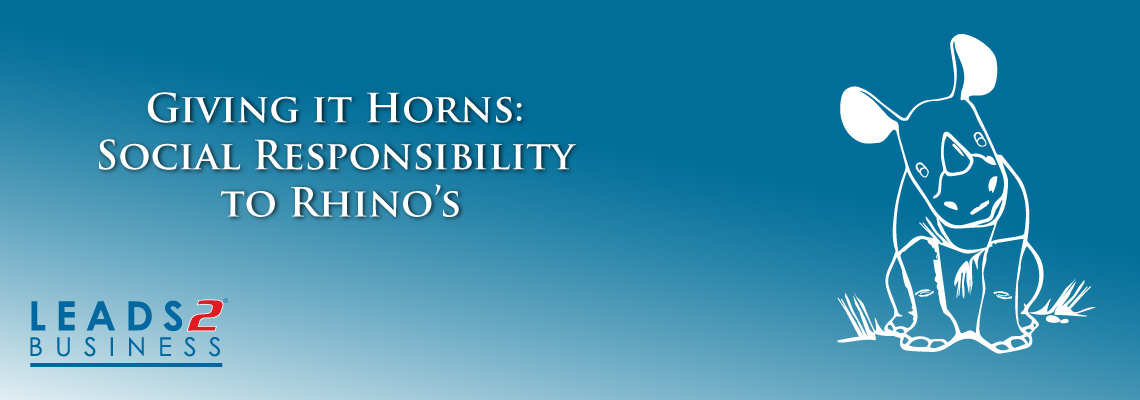
Giving it Horns: Social Responsibility to Rhino’s

Giving it Horns: Social Responsibility to Rhino’s

Leads 2 Business : Social responsibility - giving it horns

To start off our 2016 Blog Journey we’re ‘Giving it Horns’ in the form of Social Responsibility to Rhino’s.


I’m sure most of us are aware of issues surrounding Rhino poaching and the fact that these beautiful animals are on the brink of extinction but what are you as an individual or company doing in response to these threats? Are you Socially Responsible to Rhino’s?


Did you know?

World Rhino day is on 22 September

The full name for Rhino is actually Rhinoceros

There are 2 species of African Rhino (White & Black)

[tweetthis]Rhino’s can gallop up to 48 km’s per hour[/tweetthis]

The Black Rhino population has decreased by 97.6% since 1960

[tweetthis]The Rhino’s current conservation status is Critically Endangered[/tweetthis]

Rhino’s have poor eyesight

Rhino’s have a Life Span of 35 to 40 Years

Rhino’s are considered ‘Mega-Herbivores’

A Rhino’s Gestation is 16 Months

1kg of Rhino horn can fetch up to 1 million rand or more

[tweetthis]Adult Rhino’s have no natural predators, except for man[/tweetthis]


What does it mean to be Socially Responsible?

Social Responsibility means that people and companies behave with ethical sensitivity toward social, cultural, economic and environmental issues. The benefits of being socially responsible are a positive impact on development, business and society ultimately leading to a better future.


Leads 2 Business : Photo Cred : Carmen Barends


Why become Socially Responsible to Rhino’s?

  • Conservation – When Rhino’s are protected, many other species (birds, reptiles, fish, insects and vegetation) that interact with Rhino’s are also protected.
  • Tourism – In the wild, Rhino’s attract tourists as they are one of the “Big Five”. Eco-tourism relies on tourists wanting to see the Big 5 which would be 4 without the Rhino.
  • Educate & Spread Awareness – The more people learn and spread their knowledge about Rhino’s, the better it will support the cause.
  • Eco-system Balance – Everything revolves around balance and all species are intricately connected. Rhino’s being ‘mega-herbivores’ fulfill many important roles in the ecosystem. Rhino’s eat an average of 23.6 kg a day and their dung piles can be 5 meters wide and 1 meter deep. That’s a large amount of trimming and fertilizing!


How to become Socially Responsible to Rhino’s?

  • Get Social about your concern for the Rhino’s. The more people who highlight the cause the more it will lead to initiatives to protect, save, prevent and secure the survival of our Rhino’s. It’s as easy as: read, share and comment.
  • Interact with Government and local Wildlife Conservation Organizations and put pressure on them to advocate Rhino Conservation and Laws that can contribute to the cause. When traveling share your concerns with local travel agencies and encourage them to do the same with Government and Tourism Organisations.
  • Volunteer for Rhino Conservation Organisations. Web Links can direct you to volunteer opportunities.
  • Donate to your Rhino Conservation Organisation. Pick Organisations where 100% of your donation goes to save Rhino and is not diluted by admin fees and other sundries.
  • Get involved with local Fund Raising activities that donate proceeds to Rhino Conservation.
  • Support Companies who support Rhino’s like Leads 2 Business. As a socially responsible individual you can demand that companies become more socially responsible by supporting companies who are already socially responsible.


However you show your Social Responsibility to Rhino’s, make sure you Give it Horns!


Help Leads 2 Business raise awareness: Check out our Heart of a Ranger video here. Like, comment, share, re-tweet.


Leads 2 Business : Social responsibility - giving it horns


Further Reading:


http://www.worldwildlife.org/species/Rhino

http://www.worldwildlife.org/pages/Rhino-facts-and-species

http://www.stopRhinopoaching.com/statistics.aspx

http://www.news24.com/Africa/Zimbabwe/surge-in-poaching-sees-50-zimbabwe-Rhino’s-killed-20160110

http://www.earthtouchnews.com/environmental-crime/illegal-trade/top-10-shocking-figures-of-the-illegal-Rhino-horn-trade

http://www.expressoshow.com/articles/10-Realistic-Ways-To-Save-The-Rhino?articleID=4090

http://www.nikela.org/7-ways-you-can-help-save-the-Rhino-even-if-you-don%E2%80%99t-live-in-south-africa/

To view more articles, please visit our blog.

About Sasha Anderson

Millennial Mom + wife living the hash-tag life. Reach out if you want to talk: L2B, social media, construction, technology, marriage, parenting, popular culture and travel. Remember: If You Fail - Fail Forward

1 2 3 4 5